Quality and Laboratory Stewardship |
Advancing Quality and Stewardship Across Pathology and Laboratory Medicine |
As we look back on fiscal year 2026, it’s exciting to reflect on the productivity of our Quality Improvement and Laboratory Stewardship programs. Both initiatives have been instrumental in driving enhancements in patient care, operational efficiency, and building upon our culture of continuous improvement across the department. |
Quality Improvement Updates |
As we continue to seek opportunities to drive improvements for our patients and UCLA Health through interdepartmental collaborations, our Quality Improvement (QI) Program stands at the forefront of driving impactful, sustainable change. Over the past year, we have not only expanded our QI efforts, but also fostered critical interdisciplinary collaborations that transcend departmental silos and enhance our ability to deliver superior patient care and operational excellence.
At the heart of this progress are our faculty, staff, and trainees, who provide essential leadership and support for the program’s infrastructure and lead QI projects to improve patient care and operations. The department’s QI initiatives are guided by three committees, each with distinct goals and strategic plans. One of these, the Q-CEP Committee, chaired by Dr. Yuna Kang, focuses on cultivating a Quality Culture through Education and ensures that residents actively participate in QI Projects aligned with ACGME milestone requirements.
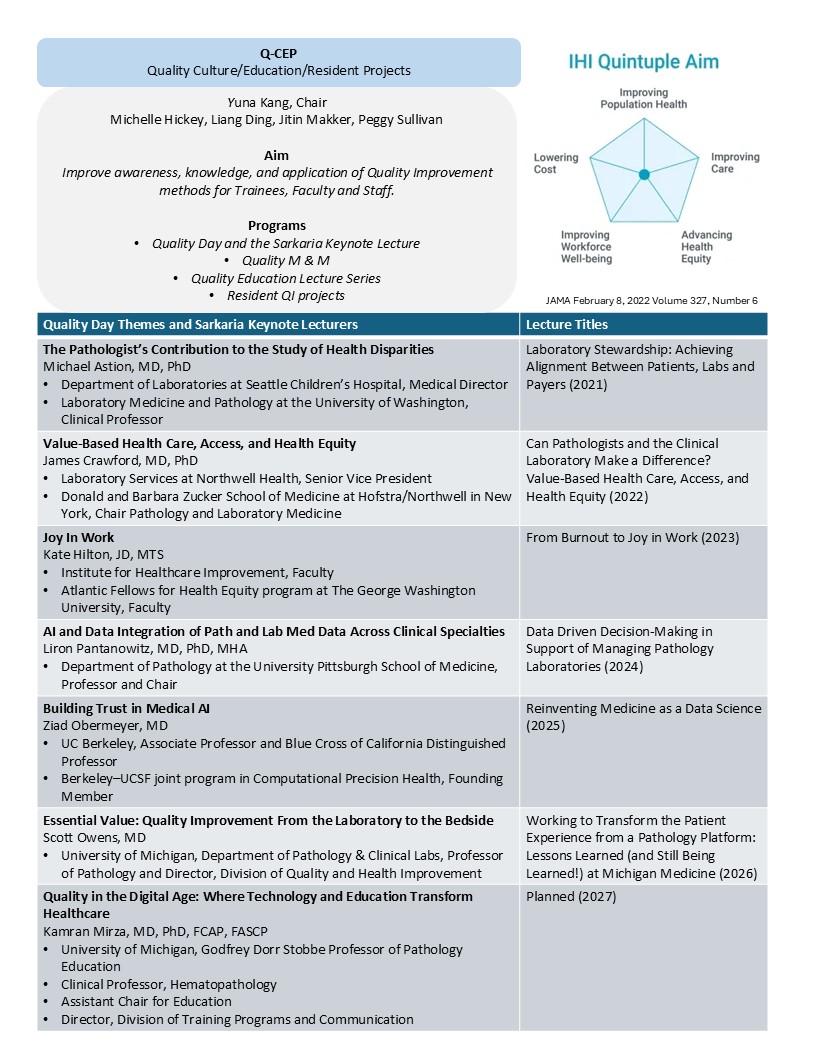
To support the educational mission, Q-CEP hosts multiple educational events. The Quality M&M Conference, held twice a year, provides a non-punitive forum for discussing adverse or near-miss events, emphasizing root cause analysis and corrective actions. The Quality Improvement Projects Sessions invite Trainees with ongoing or completed quality projects to discuss their outcomes. The annual Quality Improvement Day, featuring the Daljit S. and Elaine Sarkaria Keynote Lecture, has evolved significantly over the past five years, now including thematic workshops alongside the keynote lecture; this also showcases resident-led QI projects.
The themes of Quality Improvement Day are aligned with the Quintuple Aim framework developed by the Institute for Healthcare Improvement (IHI), which encourages health systems to improve population health, enhance care experiences, reduce costs, support clinician well-being, and advance high-quality health care for all patients. |
Meet the Program Leaders
Quality Improvement |
- Dr. Michelle Hickey – Director, Quality Improvement Program
- Dr. Yuna Kang – Chair of the Q-CEP Quality Culture/Education/Resident Projects Committee
- Dr. Peggy Sullivan – Q-CEP Committee Member
- Dr. Jitin Makker – Q-CEP Committee Member
- Dr. Liang Ding – Q-CEP Committee Member
|
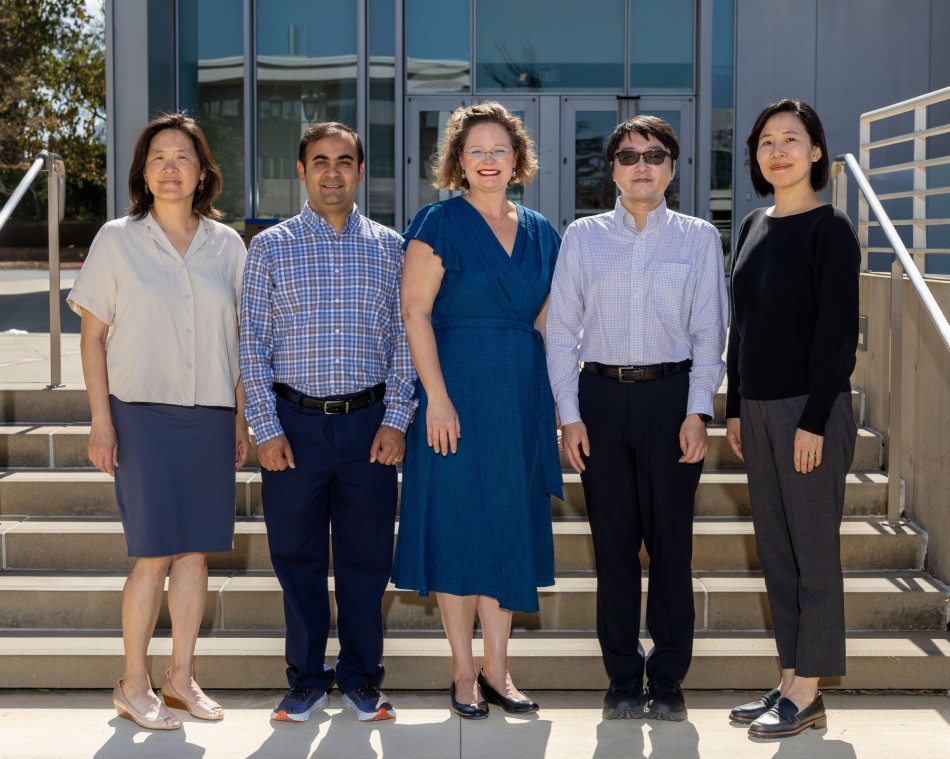
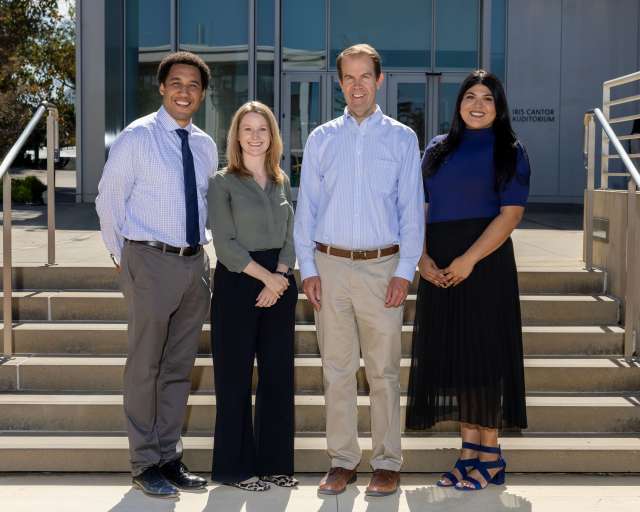
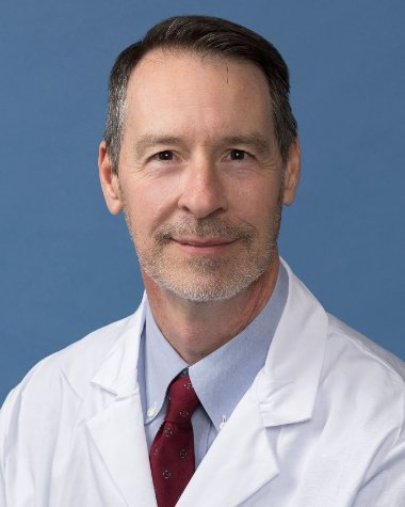
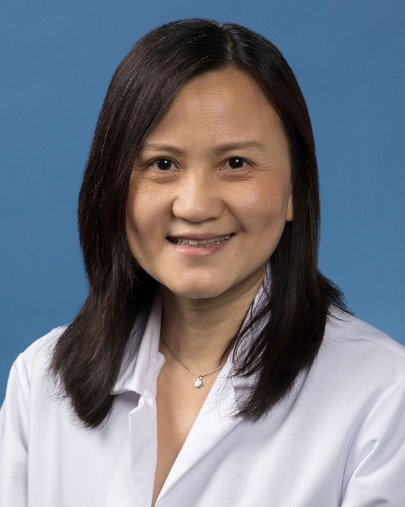
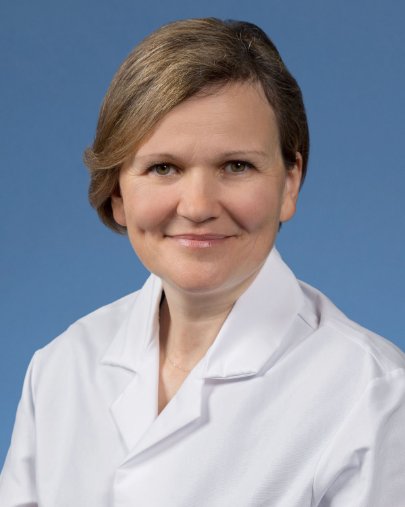
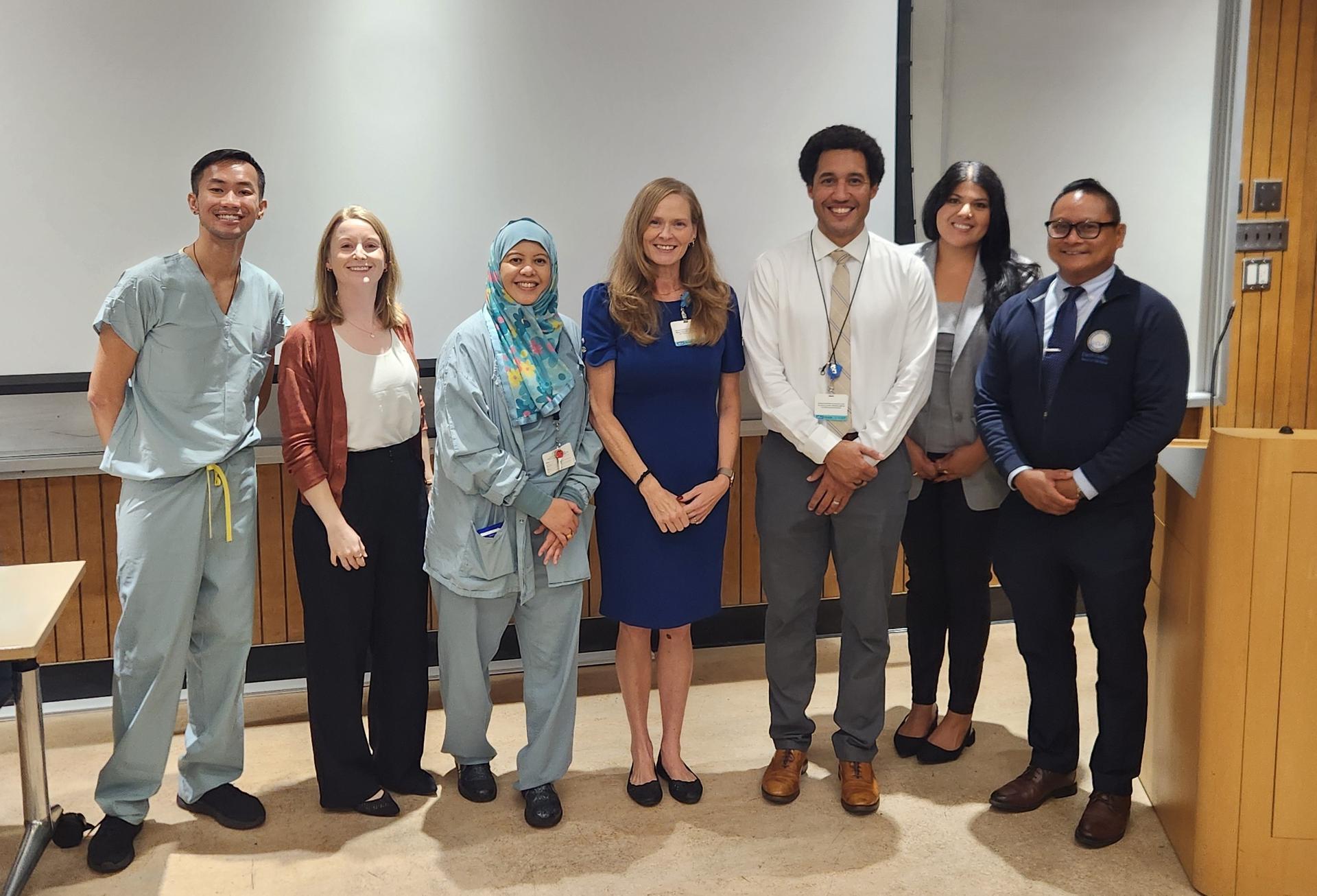
(L to R): QCEP – Dr. Peggy Sullivan, Dr. Jitin Makker, Dr. Michelle Hickey, Dr. Liang Ding, and Dr. Yuna Kang |
Daljit S. and Elaine Sarkaria Keynote Lecture
Looking ahead to 2027, we are honored to welcome Dr. Kamran Mirza, University of Michigan, as our keynote speaker. Dr. Mirza, an internationally recognized pathologist and leader in modernizing medical education, will present on “Quality in the Digital Age: Where Technology and Education Transform Healthcare”. His work exemplifies the integration of clinical excellence with systemic and educational improvement, aligning perfectly with our department’s QI missions. Together, these initiatives underscore our commitment to embedding quality into every facet of pathology and laboratory medicine – from education to clinical practice and innovation. Click the graphic below to enlarge the image. |
|
|
Completed Quality Projects On behalf of the Quality Improvement Program, we would like to extend our sincere congratulations to the teams who have completed their Quality Improvement projects.
Their successful projects reflect their dedication to improving healthcare and their commitment to making a positive difference in patient care. Through their efforts, they have identified opportunities for improvement and implemented meaningful changes that contribute to better outcomes for our patients.
Quality Improvement plays an important role in strengthening the care we provide. Their work highlights how collaboration, innovation, and a commitment to continuous improvement can lead to meaningful and lasting changes in healthcare delivery. We are pleased to recognize and celebrate their accomplishments and the positive impact their work has made.
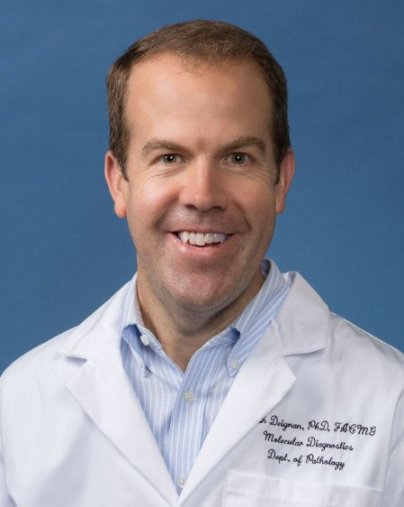
Factor V Leiden and Factor II c.*97G>A Variants Project Lead: Dr. Josh Deignan
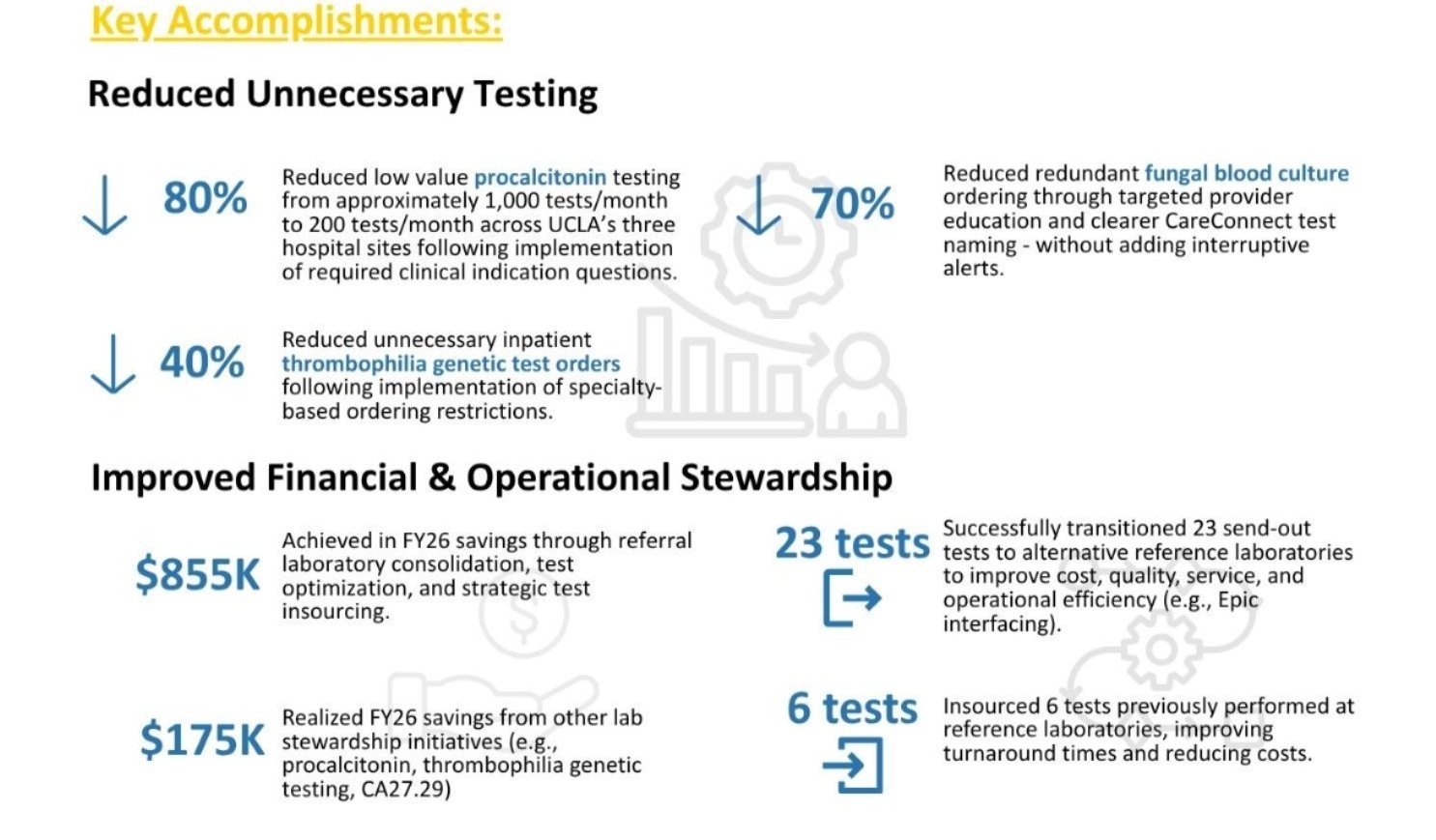
The goal of this initiative was to reduce inappropriate Factor V Leiden and Factor II c.*97G>A (F2/F5) genetic test ordering in the inpatient setting. These tests are typically ordered in the setting of stroke or unexplained blood clots; however, the majority of inpatients were being discharged before F2/F5 results were available, and even if the results were available during the admission, providers were generally not acting on them. Therefore, they developed a new CareConnect tool to restrict inpatient F2/F5 genetic test ordering to the Hematology-Oncology and Neurology services, and they enabled providers in other areas to consult with Hematology-Oncology as needed. The implementation of this workflow has already resulted in an ~40% decrease in inpatient orders for these genetic tests, with additional targeted education planned for the near future.
Pathology for Surgeons Project Lead: Dr. Kene Ojukwu
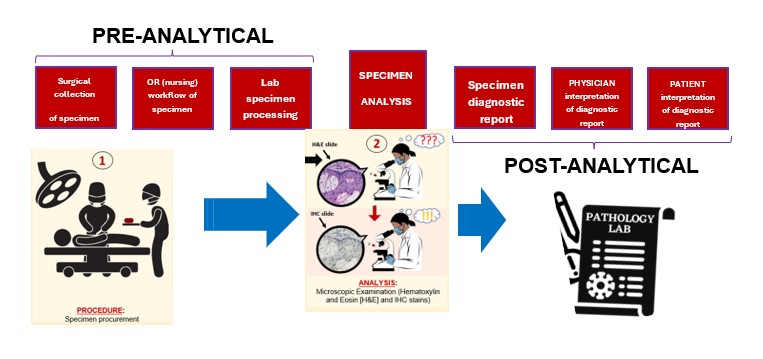
Pathology for Surgeons became a QLC project around the same time that a patient safety team review identified 54 specimen-handling events over five months, including mislabeled, unlabeled, and improperly transported specimens. These events highlighted a recurring risk to diagnostic quality and patient safety and reinforced the need to help surgical teams better understand the specimen journey.
The project has since grown through collaboration with colleagues at UCLA, Cedars-Sinai, and the University of Washington. Our simulation-based curriculum focuses on specimen submission, margin assessment, pathology-report interpretation, and intraoperative consultation. Knowledge improved across our multidisciplinary trainee groups, with the largest pre- to post-test gains among the surgical trainees. What has meant the most, however, has been hearing trainees express appreciation for understanding how specimens move through pathology and how better communication can support safer patient care.
|
Referral Lab Optimizations Project Leads: William Werre, Alex Martin, Marivic Visico, Dr. Josh Deignan, Dr. Alyssa Ziman, and Dr. Allison Chambliss
The Referral Lab Optimization project has successfully transitioned from a quality improvement project to an ongoing laboratory stewardship initiative, establishing sustainable infrastructure for compliance, oversight, and reference lab utilization across UCLA Health. Initial workflow enhancements restricted “miscellaneous” send-out orders to approved reference laboratories, ensuring that we complied with CLIA and CDPH requirements. From there, high-volume and high-impact “miscellaneous” send-out tests were reviewed by subject matter experts across Pathology & Laboratory Medicine and transitioned into discrete CareConnect builds with structured data fields and defined workflows. In May 2026, they reached their project goal of completing 150 new test builds.
|
Resident Quality Improvement Project Presentations Our Resident Quality Improvement Project Presentations will take place on Tuesday, November 10, 2026. This event provides an opportunity to showcase the hard work and innovation of our residents as they share the results of their Quality Improvement projects.
Three trainees will present their projects to faculty and fellow residents, highlighting the quality improvement initiatives they have developed and implemented throughout their residency training. Presentations will focus on the goals of each project, the approaches used to address identified areas for improvement, outcomes and lessons learned, and the potential impact on patient care and clinical practice.
These presentations are an important part of our residency program’s commitment to continuous quality improvement, scholarly activity, and professional development. They also provide a valuable forum for residents to share ideas, celebrate their accomplishments, and engage colleagues in meaningful discussion about opportunities to improve the quality and delivery of care.
We look forward to recognizing our trainees and showcasing the thoughtful work they have undertaken to make a positive impact within our clinical learning environment. |
-
Dr. Giovanni Botten – Development of a 12-color Flow Cytometry Panel to Detect Monotypic T-cells
- Dr. Chao Chen – Evaluating the Potential for Cytologists to Independently Sign Out Negative Urine Cytology Cases Based on the Paris System: A Retrospective Study in a Single Medical Center
- Dr. Donald Doanman – IHC QC Reference Guide QI project
|
Laboratory Stewardship Updates |
The UCLA Health Laboratory Stewardship Program continues to advance our commitment to delivering high-value, patient-centered diagnostic care by promoting that patients receive the right laboratory tests at the right time. During FY26, the program expanded its reach across the health system through new collaborations, technology-enabled solutions, and data-driven stewardship initiatives designed to improve clinical decision-making, operational efficiency, and responsible utilization of laboratory services.
The program continued to expand its specialty-focused stewardship efforts with the formation of a Laboratory Stewardship Artificial Intelligence (AI) subcommittee, chaired by Dr. Khalda Ibrahim, and a Laboratory Stewardship Genetics subcommittee, which will be chaired by Dr. Josh Deignan. These groups bring together subject matter experts from both the labs and the clinics to identify and advance stewardship opportunities within increasingly complex areas of laboratory testing. |
Measurable Impacts on Test Utilization Several initiatives this year demonstrate how targeted changes to test ordering workflows can have a meaningful impact.
The Laboratory Stewardship Infectious Disease subcommittee was established to address opportunities for improving the appropriate use of microbiology and other infectious disease testing. One of the subcommittee’s early priorities was procalcitonin, where concerns about high utilization and cost and lack of clinical value led to the implementation of required clinical indication questions on the procalcitonin order in CareConnect. Since implementation, procalcitonin test volumes have sustainably decreased from approximately 1000 tests per month to approximately 200 tests per month across UCLA’s three hospital sites, while maintaining access when clinically appropriate.
The Infectious Disease subcommittee also addressed unnecessary fungal blood culture ordering. Fungal blood cultures were being ordered in relatively high volumes despite limited appropriate indications; candida and cryptococcus species are typically detected by routine bacterial blood cultures and don’t require a separate fungal culture order. A chart review confirmed that the fungal culture rarely identified organisms that wouldn’t otherwise be found on the routine blood culture. Following targeted education and clearer naming to distinguish the two blood culture orders in CareConnect, fungal blood culture ordering decreased by approximately 70%. This initiative demonstrates how a relatively simple change in terminology can effectively point providers to the right test without adding interruptive alerts.
Continued Reference Lab Optimization
Following up on the completion of the QLC Reference Lab Optimization project, Laboratory Stewardship initiated a reference laboratory “crosswalk” initiative to identify opportunities for referral laboratory consolidation, test optimization, strategic test in-sourcing, and cost savings across our referral lab test menu. Guided by a multidisciplinary team of operational, clinical, and faculty leaders, the review carefully balanced efficiency goals with our continued commitment to high-quality testing and patient care.
In the first year of the initiative, 23 send-out tests were pivoted to different reference labs, and 6 tests that were previously performed at reference labs were brought in-house. Through this collaborative stewardship effort, the department realized $855,000 in reference lab cost savings during the 2025-2026 fiscal year. These efforts also delivered meaningful operational benefits, including streamlined workflows, reduced manual specimen and result handling, improved turnaround times, increased interfaced result reporting, and greater standardization across testing platforms. Building on this success, Laboratory Stewardship will continue this work in the coming fiscal year, pursuing additional opportunities to enhance reference lab quality, service, operational efficiency, and fiscal stewardship.
Strengthening Oncology Test Stewardship
As new and emerging diagnostic tests become increasingly available, the Laboratory Stewardship Task Force (LSTF) has strengthened its partnership with Oncology to ensure that new oncology reference labs and tests are appropriately evaluated before being implemented for UCLA patients. Working with Oncology and with support of the Laboratory Stewardship Oversight Committee (LSOC), comprised of key health system leaders, LSTF established standardized approval criteria for new oncology send-out test requests:
|
- The performing laboratory has active CLIA (federal) and CDPH (state) lab certifications, AND
- The requested test meets at least one of the following:
- Positive Medicare coverage determination (e.g., NCD or LCD), AND/OR
-
Incorporated into a widely accepted applicable guideline (e.g., NCCN), AND/OR
- Required for a clinical trial occurring at UCLA
|
This approach provides greater consistency and transparency while maintaining an exception process for urgent or clinically necessary patient care, as necessary.
Laboratory Stewardship has also continued their efforts to reduce redundant ordering of the clinically equivalent breast cancer tumor markers CA 15-3 and CA 27.29. Following multiple stewardship interventions and collaborations with Cancer Services and Oncology leadership, the CA 27.29 send-out test will be removed from CareConnect effective October 1, 2026, with CA 15-3 remaining available as the preferred test performed within the UCLA laboratories. Improving Genetic Testing Workflows and Utilization
Technological advances and increased laboratory integrations within Epic continue to create new opportunities for Laboratory Stewardship. Following the integration of Natera (which provides genetic testing for Women’s Health/OBGYN and Oncology) into CareConnect, Invitae (which provides genetic Cardiology, Neurology, and Hereditary Cancer panels) was integrated through Epic Aura in 2026, allowing genetic testing orders and results to move directly through CareConnect rather than rely on paper orders or outside web portals. These integrations improve the provider experience while also providing greater visibility into test utilization.
Laboratory Stewardship is now using the utilization data from these newly integrated reference labs to evaluate ordering patterns and identify opportunities for provider education, increased electronic ordering, reference laboratory consolidation, test standardization, and additional genetic testing stewardship. Collaboration and National Leadership
Laboratory Stewardship continues to grow through collaboration across UCLA Health. Partnerships with Oncology, Infectious Diseases, Genetics, Informatics, and other clinical areas have been instrumental in developing interventions that balance appropriate utilization with the needs of clinicians and patients.
The program’s expertise is also contributing to laboratory stewardship nationally. Dr. Josh Deignan was elected to the Epic Genetics & Genomics Steering Board, providing UCLA and the Department of Pathology and Laboratory Medicine with representation in discussions surrounding the future of genetics and genomics functionality within Epic. Additionally, Drs. Allison Chambliss and Josh Deignan were appointed to the American Society for Clinical Pathology’s (ASCP) Effective Test Utilization Steering Committee, where they will contribute to the development of national recommendations for effective laboratory test utilization.
Looking Ahead
The Laboratory Stewardship program will continue to build on this progress by monitoring the sustainability of current interventions and focus on strengthening its data and metrics driven approach to better measure the clinical, operational, and financial impact of stewardship initiatives. The program will also continue to expand collaboration across UCLA Health and explore opportunities to parter with other University of California health systems to share best practices, identify common stewardship priorities, and pursue collaborative initiatives.
Through these efforts, the program aims to broaden its impact, demonstrate the value of laboratory stewardship, and support sustainable improvements in laboratory utilization and patient care.
For more information, including recent news such as conference presentations and articles, we welcome you to visit our Laboratory Stewardship Program webpage. |
Meet the Program Leaders
Laboratory Stewardship |
- Dr. Allison Chambliss – Director of Laboratory Stewardship; Laboratory Stewardship Task Force Co-Chair; Clinical Chemistry
- Dr. Josh Deignan – Laboratory Stewardship Task Force Co-Chair; Molecular Diagnostics
-
Dr. Omai Garner – Vice Chair for Clinical Laboratory Affairs; Clinical Microbiology
- Alex Martin, PA (ASCP), MHA – Laboratory Stewardship Task Force Co-Chair; Director of Operations, Anatomic Pathology
- Maria Estrada, MHA, PMP – Program Manager, Laboratory Stewardship and Inclusive Excellence
|
(L to R): Dr. Omai Garner, Dr. Allison Chambliss, Dr. Josh Deignan, and Maria. Not pictured: Alex Martin |
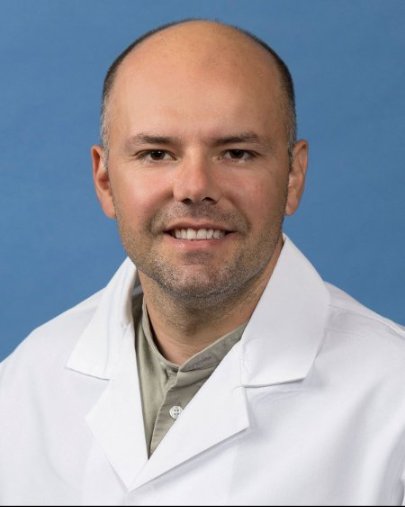
We are delighted to announce the appointment of Dr. Imir G. Metushi as Director of Clinical Toxicology and Therapeutic Drug Monitoring for UCLA Health. In addition, Dr. Metushi will serve as Faculty Lead for the UCLA Olympic Analytical Laboratory, supporting its academic, scientific, and collaborative missions.
The Clinical Toxicology and Therapeutic Drug Monitoring programs provide essential laboratory services for the detection, quantification, and interpretation of drugs, toxins, and therapeutic agents. These services play a critical role in guiding patient care in acute intoxications, medication management, transplant and immunosuppressive therapy, pain management, and other complex clinical scenarios requiring advanced analytical testing and expert laboratory consultation.
Dr. Metushi, Associate Professor of Pathology and Laboratory Medicine in Clinical Chemistry, has been a leader in advancing analytical chemistry, clinical toxicology, therapeutic drug monitoring, and laboratory-based translational research at UCLA. In his expanded role, he will provide strategic leadership for the continued growth of Clinical Toxicology and Therapeutic Drug Monitoring services, including test development, clinical consultation, quality improvement, and integration of advanced analytical methods into patient care. As Faculty Lead for the UCLA Olympic Analytical Laboratory, Dr. Metushi will help advance new test development, cross-departmental collaboration, operational efficiency, and strategic partnerships, drawing on his expertise in analytical chemistry and laboratory medicine to strengthen OAL’s position and enhance its testing capabilities.
Please join us in congratulating Dr. Metushi on his expanded leadership role. |
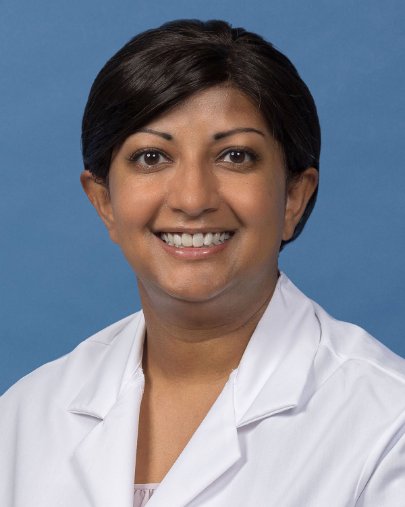
We are delighted to announce the appointment of Dr. Suki Chandrasekaran as Director of the UCLA Bacteriology and Antimicrobial Susceptibility Testing Laboratory.
The UCLA Bacteriology and Antimicrobial Susceptibility Testing Laboratory within the section of clinical microbiology, is a nationally recognized leader in infectious disease diagnostics, providing comprehensive testing for all UCLA hospitals and outpatient clinics. The laboratory combines traditional microbiology techniques with advanced diagnostic technologies to deliver accurate and timely results that support exceptional patient care. Working in close collaboration with antimicrobial stewardship, infection prevention, and adult and pediatric infectious disease teams, the laboratory plays a critical role in optimizing treatment and improving clinical outcomes. Its antimicrobial susceptibility testing program is distinguished by its use of the gold standard methodology for detecting antimicrobial resistance, ensuring the highest level of accuracy while remaining at the forefront of emerging resistance patterns and newly available antimicrobial therapies. Dr. Chandrasekaran's leadership will be invaluable in maintaining the elite performance of the UCLA Bacteriology/AST lab.
Dr. Suki Chandrasekaran, Associate Professor of Pathology and Laboratory Medicine at UCLA, is a board-certified clinical microbiologist. After completing her Clinical Microbiology Fellowship at UCLA, she joined the faculty in 2018 and has become a recognized leader in antimicrobial susceptibility testing. Through her work with the Clinical and Laboratory Standards Institute (CLSI), she contributes to the development of internationally adopted standards that guide antimicrobial testing and improve patient care worldwide. In addition, Dr. Chandrasekaran leads a clinical research team that bridges diagnostic test development and clinical implementation, helping translate innovative technologies into routine patient care. Through her research, leadership, and commitment to improving diagnostic microbiology, Dr. Chandrasekaran continues to advance the field while supporting excellence in patient care, education, and laboratory medicine.
Please join us in congratulating Dr. Chandrasekaran on her expanded leadership role. |
We are pleased to announce that Dr. Josh Deignan has been appointed as a Section Editor for Laboratory Genetics and Genomics for Genetics in Medicine. In this role, Dr. Deignan will bring his expertise and leadership to the journal’s coverage of laboratory genetics and genomics. Please join us in congratulating him on this well-deserved appointment!
|
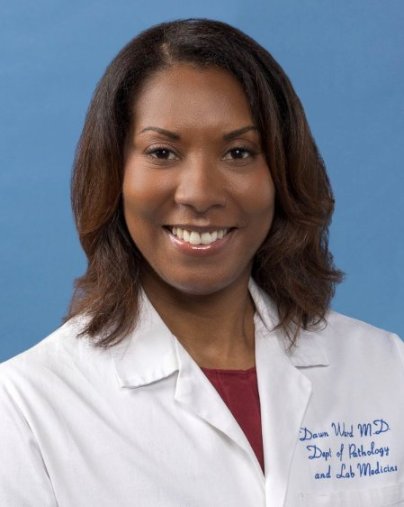
Dr. Dawn Ward, Medical Director of the UCLA Center for Advanced Biotherapies (CAB), shares how she and her colleagues are helping transform promising discoveries into first-in-human treatments.
With expanded FDA-compliant manufacturing and specialized quality and regulatory expertise, CAB provides the critical infrastructure needed to move innovative cell and gene therapies and advanced biologics from the lab toward the patients who need them. Learn how Dr. Ward and CAB are helping bridge the gap from bench to bedside.
Learn More & View the Video |
2026 American Heart Association – Heart & Stroke Walk |
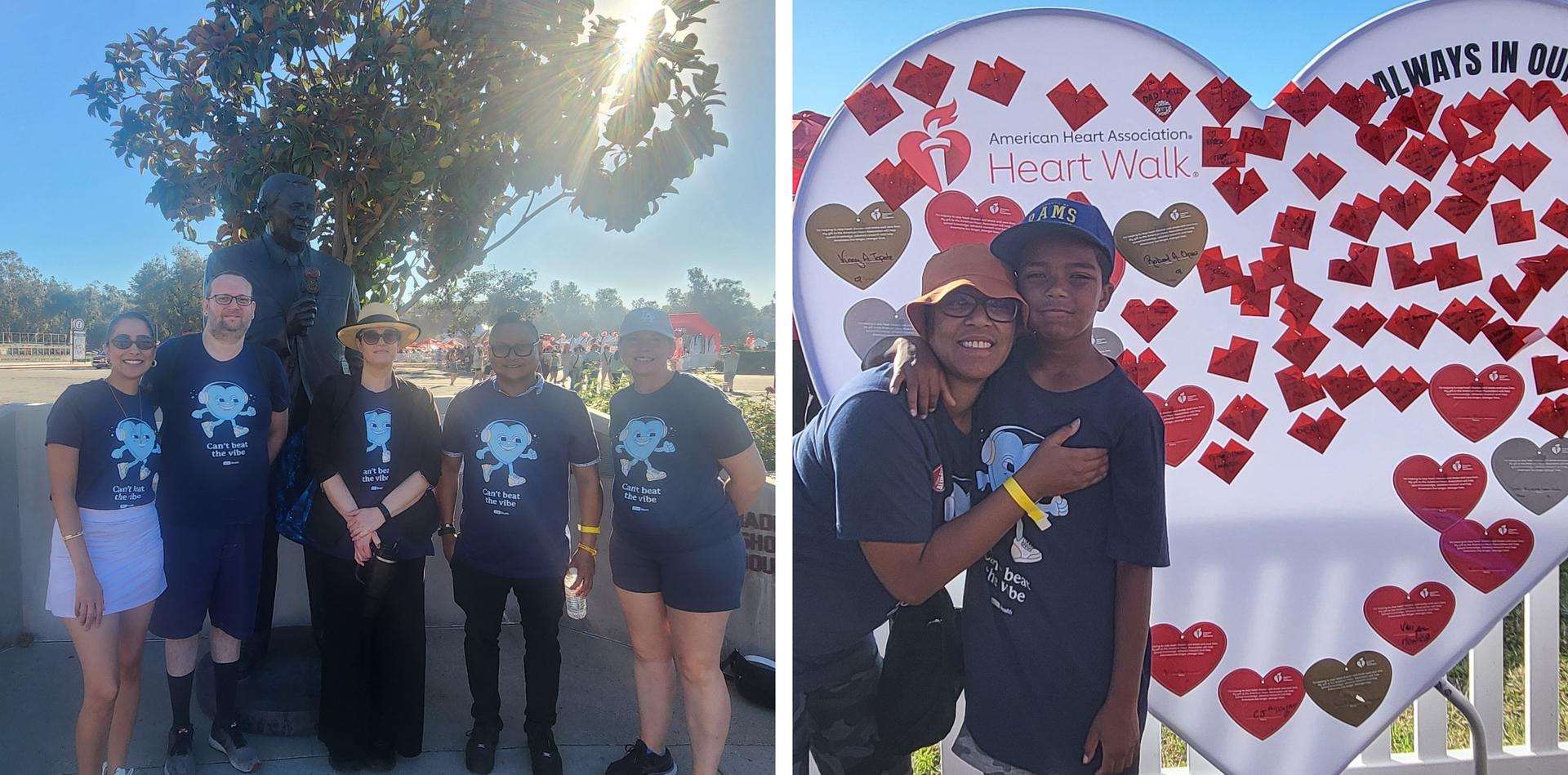
I am thrilled to announce that, thanks to your generous support, the Pathology and Laboratory Medicine Team exceeded our goal of $2500 by raising $3075.67 for the American Heart Association Greater Los Angeles Heart and Stroke Walk on Saturday, October 3, 2026 at the Rose Bowl! This achievement reflects our commitment to this vital cause and highlights the incredible spirit of our team.
A special thank you to our Team Captains, Kelli and Dr. Daniel Stefanko, our top earner, Khanh, all our donors, and department participants: Anastasia, Bernardo (Melinda's partner), Dr. Daniel Stefanko, Kelli, Khanh, Melinda, Miles (Khanh's son), Mariana (Dr. Stefanko’s partner) and Ron! Thank you for your support in making a difference! |
Left: (L to R): Mariana, Dr. Daniel Stefanko, Anastasia, Ron, and Kelli
Right: (L to R): Khanh and Miles Not Pictured: Melinda and Bernardo |
Join Us for the 2026 Light the Night Walk! |
A HUGE thank you to everyone who donated, registered, and supported our Pathology & Laboratory Medicine Light the Night 2026 team!
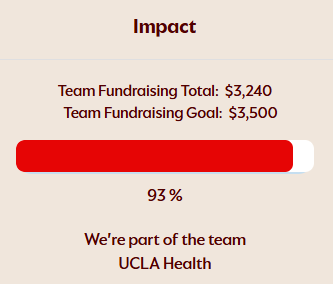
Thanks to your incredible generosity, we’ve surpassed both our original $2,500 goal and our raised $3,000 goal! Inspired by this amazing show of support, we’re raising the bar once again and setting a new goal of $3,500 in support of Blood Cancer United.
For those who haven’t yet had a chance – there’s still time to join us for the walk on November 7th! Every contribution, whether walking with the team or making a donation, makes a real impact for patients and families battling blood cancers. Join or donate here: Light The Night Team Thank you for helping us shine a light on this important cause. We are grateful for each and every one of you! |
To help address the greatest need for blood in a generation, Abbott, a global leader in blood testing, and the Big Ten Conference will team up to host the 3rd annual college conference-wide blood donation competition. “The We Give Blood Drive” initiative is designed to motivate Big Ten students, alumni and fans to donate blood by tapping into school pride and devotion to their teams. The top-donating university will receive a $1 million prize from Abbott to support student and community health initiatives.
From now until December 4, 2026, we are calling on all donors to help UCLA WIN the "We Give Blood Drive" competition! Read more at the UCLA Newsroom here.
You may also show your support with the UCLA We Give Blood Zoom background. Please schedule your appointment today by visiting the BPC website or calling 310-825-0888, option 2. |
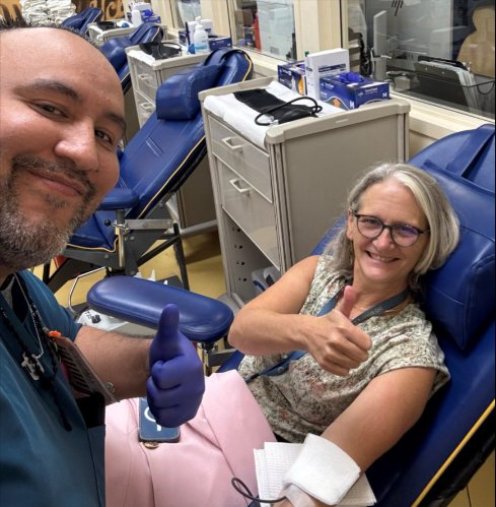
Oscar (L) and Dr. Dry (R) at the Ackerman Blood and Platelet Center |
|
|
Grants, Publications, & National Recognition |
Congratulations to Dr. Peter Tontonoz on his involvement as a UCLA faculty investigator in the newly funded HERITAGE Study, a multidisciplinary research initiative supported by a $7.8 million NIH/NIDDK award.
The HERITAGE Study will explore whether tandem repeats, an understudied form of genetic variation, may help explain the “missing heritability” of diabetes and obesity. Researchers will analyze genomic data from hundreds of thousands of individuals to identify genetic variations associated with traits such as BMI, blood sugar levels, and diabetes risk across diverse populations.
Dr. Tontonoz will contribute his expertise to this collaborative effort, which brings together leaders in metabolism, computational biology, bioinformatics, and population genetics. The study is co-led by Dr. Tamer Sallam of UCLA and Dr. Wei Li of UC Irvine. Congratulations to Dr. Tontonoz and the entire research team on this exciting achievement!
Read the full article |
Congratulations to Dr. Jasmine Zhou, who is part of a multidisciplinary UCLA research team awarded the inaugural $1 million Early Detection Award from the LUNGevity Foundation and the Rising Tide Foundation for Clinical Cancer Research. The three-year project brings together expertise in cancer biology, pulmonary medicine, computational imaging, artificial intelligence, and molecular diagnostics to develop a more precise, noninvasive approach for determining whether pulmonary nodules detected on CT scans are cancerous.
Dr. Zhou joins Drs. Steven Dubinett, Ramin Salehi-Rad, William Hsu, and Linh Tran on the UCLA team, which will integrate advanced CT imaging analysis with cell-free DNA methylation testing in the blood. The approach will be validated in 500 patients at UCLA Health and Veterans Affairs medical centers, with the goal of improving early lung cancer detection and clinical decision-making while reducing unnecessary biopsies and surgeries. Read the full article |
Congratulations to Dr. Kene Ojukwu on being named to The Pathologist’s Power List 2026: Leading Voices!
Each year, The Pathologist’s Power List celebrates individuals whose ideas, expertise, and leadership are helping shape the future of pathology and laboratory medicine. This year’s Leading Voices recognizes 50 professionals working to address some of the field’s most pressing challenges and drive meaningful change.
Dr. Ojukwu is helping reimagine the role of the pathologist by bringing pathology closer to clinicians, trainees, patients, and communities. Her work focuses on improving diagnostic communication and patient care through innovative initiatives including multidisciplinary simulation-based education, virtual reality pathology training, patient-facing pathology, and community partnerships.
From creating Pathology for Surgeons, which brings pathology, surgery, and radiology residents together to learn multidisciplinary cancer care, to developing immersive pathology education for medical students and the broader community, Dr. Ojukwu is working to ensure that pathologists are recognized not only for making diagnoses, but also for communicating them in ways that empower patients and strengthen clinical teams.
Please join us in congratulating Dr. Ojukwu on this well-deserved recognition! Read Dr. Ojukwu’s Leading Voices Profile
Explore the 2026 Power List |
Congratulations to Dr. Olga Timofeeva and collaborators on their paper in Bone Marrow Transplantation “Analytical Variability in Chimerism Testing May Influence Longitudinal Clinical Interpretation after Allogeneic Hematopoietic Cell Transplantation.” The publication examines how analytical variability across testing technologies can affect the interpretation of serial chimerism results. Using ASHI proficiency testing data, they highlight the importance of considering assay precision alongside a patient’s clinical trajectory and other findings when evaluating changes over time. This work underscores the value of close collaboration between clinicians and laboratories to support accurate, meaningful post-transplant monitoring.
Read the Full Article |
Congratulations to Dr. Michael Teitell on being interviewed by the California Post for the article “AI is Unlocking a New ‘Golden Age’ in Medicine, with Personalized Treatments to Cure Cancer and Potential to Save Billions of Lives.”
As Director of the UCLA Health Jonsson Comprehensive Cancer Center, Dr. Teitell is featured for his innovative work using AI, 3D bioprinting, and advanced imaging to advance personalized cancer treatment. His research aims to help doctors identify tailored therapies for an individual patient’s cancer, rather than relying primarily on standardized approaches. The article highlights Dr. Teitell’s work as an example of how AI could make cancer treatment more precise and effective. Read More About Dr. Teitell’s Innovative Work |
The Pathology Art Collective highlights the creativity of members across our department and we are now accepting new submissions to be displayed and featured. Submissions may include paintings, drawings, photography, poetry, and more. If your creative outlet extends to home improvement projects, cooking, gardening, sewing, theater, or musical performance, we also welcome photos showcasing that work.
We will update this content regularly. The content must be suitable and professional, and I reserve the right to remove any content deemed otherwise. We can display copies of your work or the original, as you prefer. Please send your submissions to Phyllis Gilmore at (pagilmore@mednet.ucla.edu).
Thank you for partaking in this opportunity to showcase your creative work to the UCLA community! |
|
|
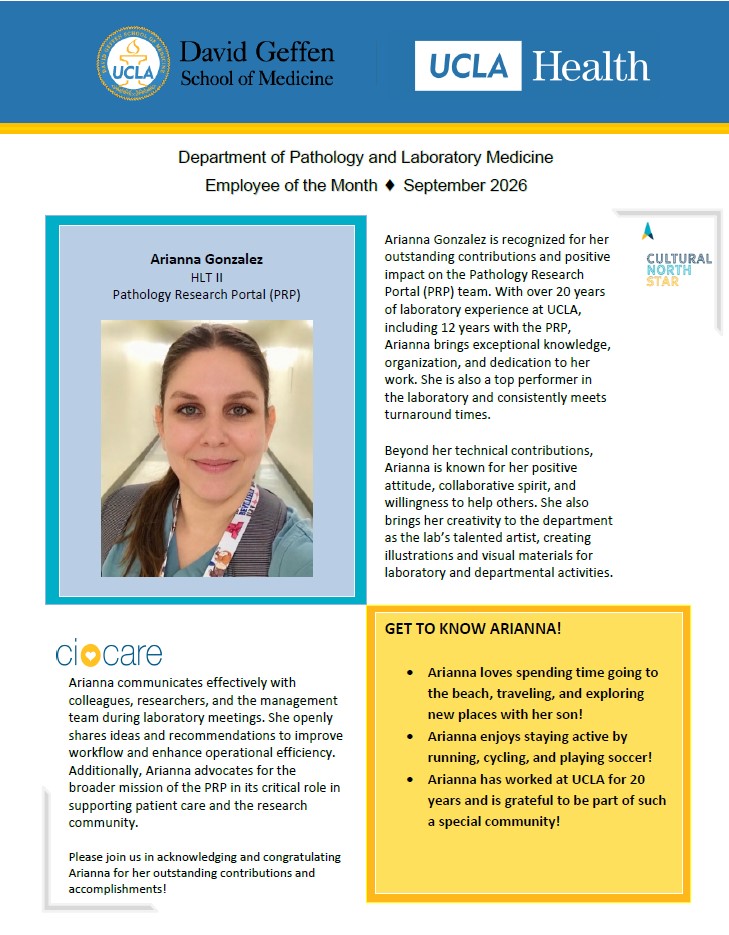
Congratulations to our September 2026 Employee of the Month! |
|
|
As part of Grand Rounds, we were honored to host Dr. Omai Garner for an Inclusive Excellence presentation, “Responding to a Syphilis Crisis: How Diagnostic Availability Can Impact Care.” Dr. Garner highlighted how access to timely, accurate diagnostic testing can profoundly shape patient outcomes and our ability to respond effectively to public health crises. Drawing on his expertise in clinical microbiology and infectious disease diagnostics, his work underscores the critical connections among diagnostic innovation, healthcare access, and health equity – demonstrating how expanding access to essential testing can help reduce disparities and improve care for communities most affected by infectious diseases.
Friday, September 11, 2026
Inclusive Excellence Series
Omai Garner, PhD
Professor
Department of Pathology and Laboratory Medicine
University of California Los Angeles
Responding to a Syphilis Crisis: How Diagnostic Availability Can Impact Care |
(L to R): Dr. Don Doanman, Dr. Allison Chambliss, Avrina, Dr. Rebecca Sosa, Dr. Omai Garner, Maria, Ron |
Friday, October 9, 2026 at 12:00 PM PT – Hybrid – 13-105 CHS + Zoom
Quality M&M Luke Helminiak, PhD
Microbiology Fellow
Department of Pathology and Laboratory Medicine
University of California Los Angeles
Using Next Generation Sequencing to Resolve a Diagnostic Dilemma: Root Cause Analysis and Workflow Improvement for Acid-Fast Bacilli (AFB) Culture Shaun Yang, PhD, D(ABMM), FIDSA, MLS(ASCP)CM
Associate Professor
Department of Pathology and Laboratory Medicine
University of California Los Angeles
Using Next Generation Sequencing to Resolve a Diagnostic Dilemma: Root Cause Analysis and Workflow Improvement for Acid-Fast Bacilli (AFB) Culture Jill Thomson, MS, HTL, QIHC
Clinical Laboratory Manager
Department of Pathology and Laboratory Medicine
University of California Los Angeles
From Missing Blocks to Reliable Retrieval: Improving Histology Workflow with FINA
Liang Ding, MD, PhD
Assistant Professor
Department of Pathology and Laboratory Medicine
University of California Los Angeles
From Missing Blocks to Reliable Retrieval: Improving Histology Workflow with FINA
Friday, October 23, 2026 at 8:00 AM PT – Virtual
Clinical Seminar Series – Topic: Head & Neck
Lisa Rooper, MD
Associate Professor of Pathology
Director of Surgical Pathology
The Johns Hopkins Hospital |
|
|
|