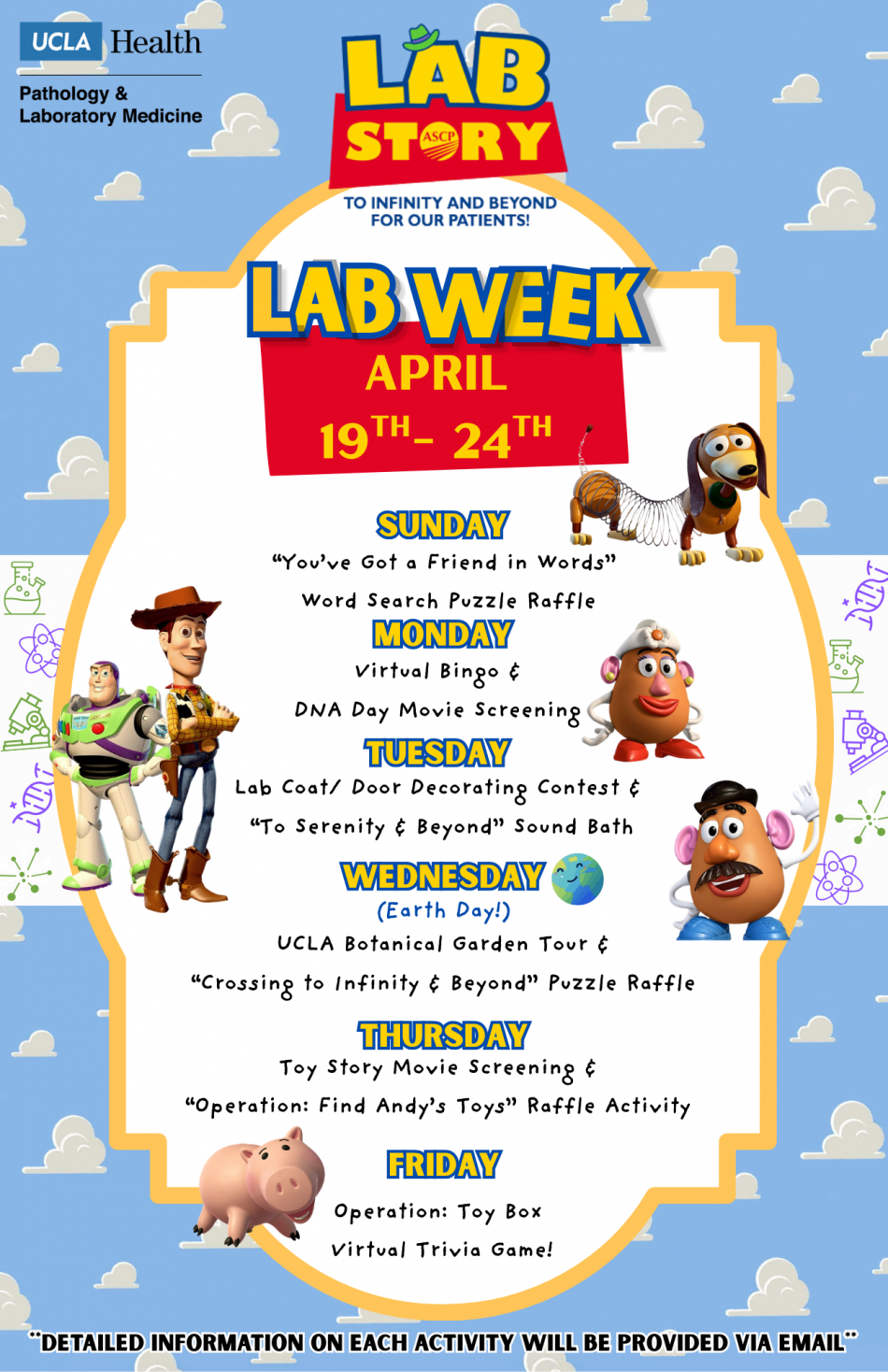
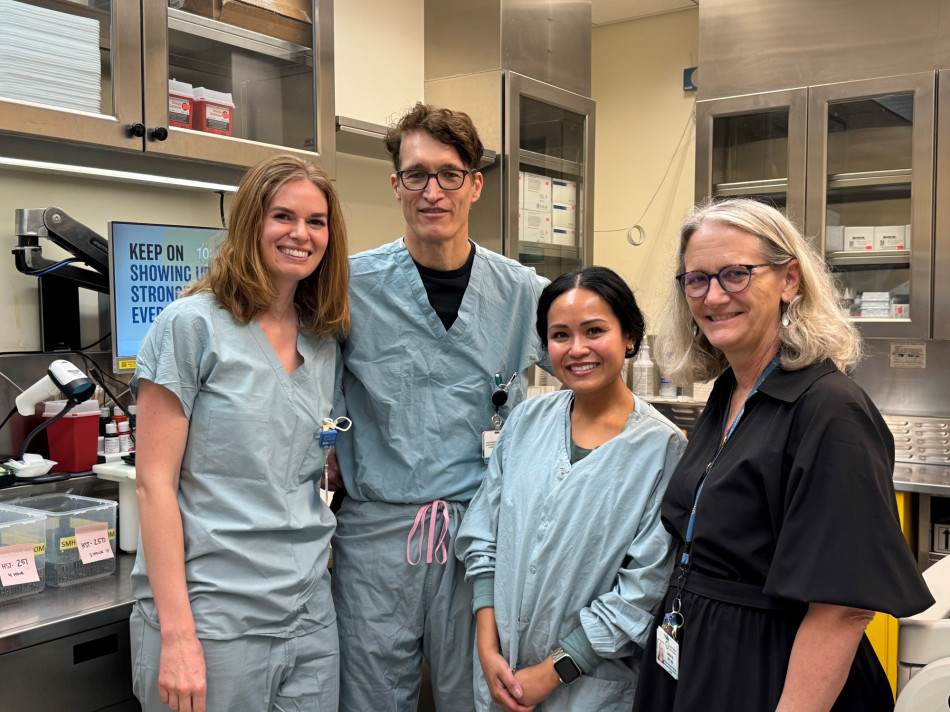
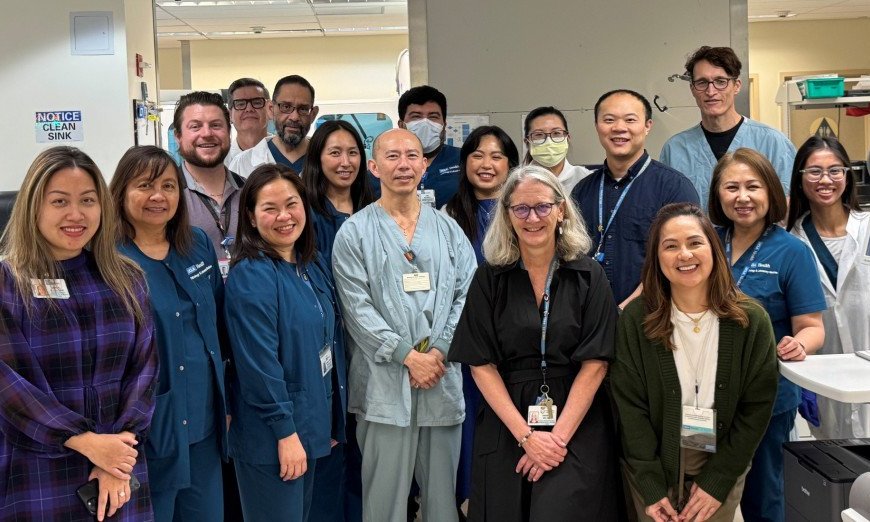
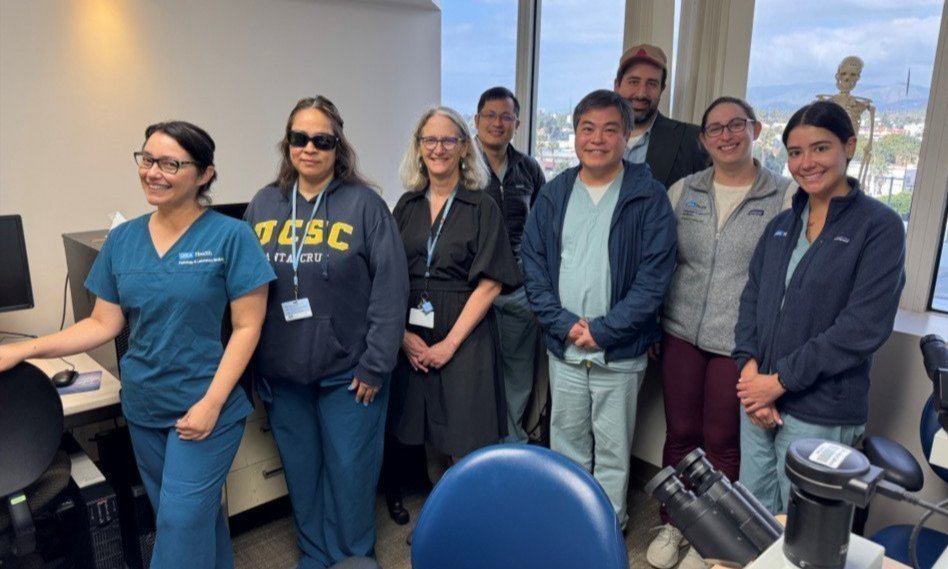
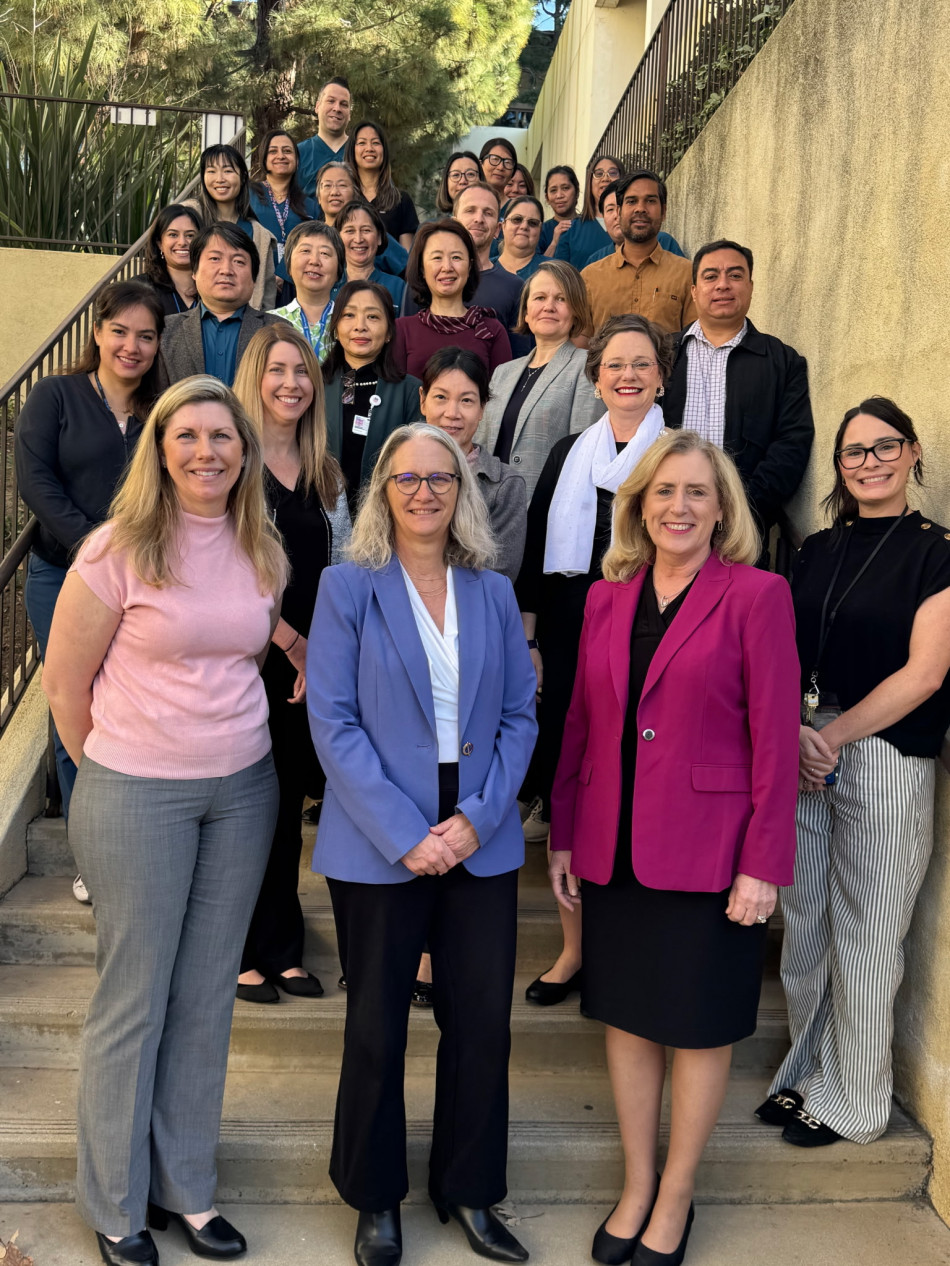
The American Society for Clinical Pathology (ASCP) Medical Laboratory Professionals or Lab Week will be observed April 19-25, 2026 – ASCP has selected a Toy Story theme this year. Lab Week is an annual celebration of medical laboratory professionals and pathologists who play a vital role in health care and patient advocacy. I would like to feature our Labs and Lab Professionals to highlight the important work they do for our department, patients, and community. Our department will be hosting daily activities throughout Lab Week. Additional emails will be sent regarding participation in the below activities. A special thank you to Maya, Heidi, and the One Lab Committee for arranging the department activities!
|
|
|
UCLA Clinical Microbiology Laboratory – Brentwood |
The UCLA Clinical Microbiology Laboratory offers comprehensive testing for detection, isolation, characterization and susceptibility testing of infectious agents. We utilize rapid detection methods where possible for optimal patient care, including immunologic and nucleic acid based assays. The serology section also performs testing for selected autoimmune disorders. The laboratory has long been a leader among academic centers. We serve as a reference center for a number of proficiency testing surveys and maintain one of the longest running ABMM accredited Clinical Microbiology Postdoctoral Training Programs in the country.
|
|
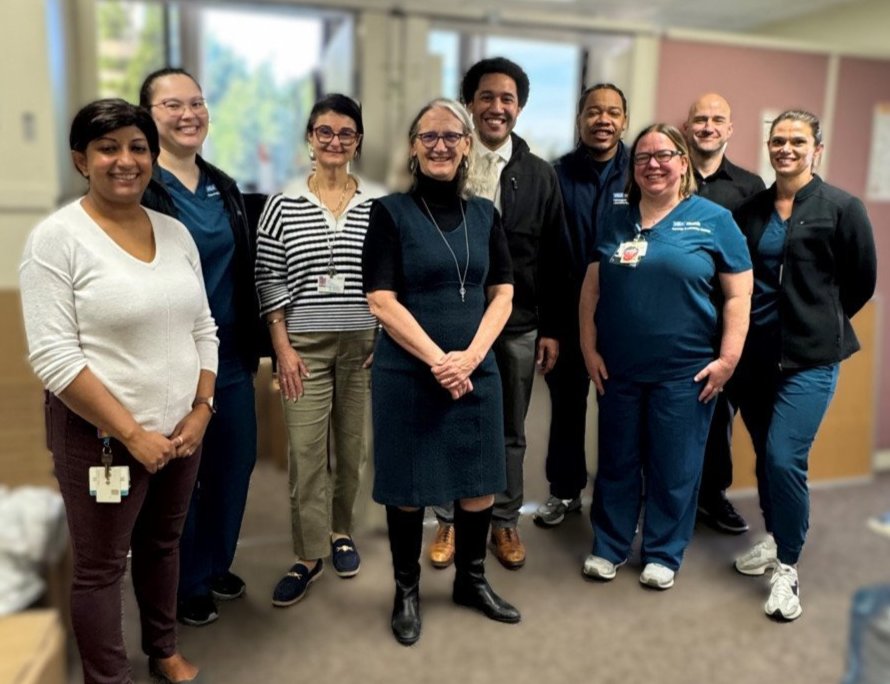
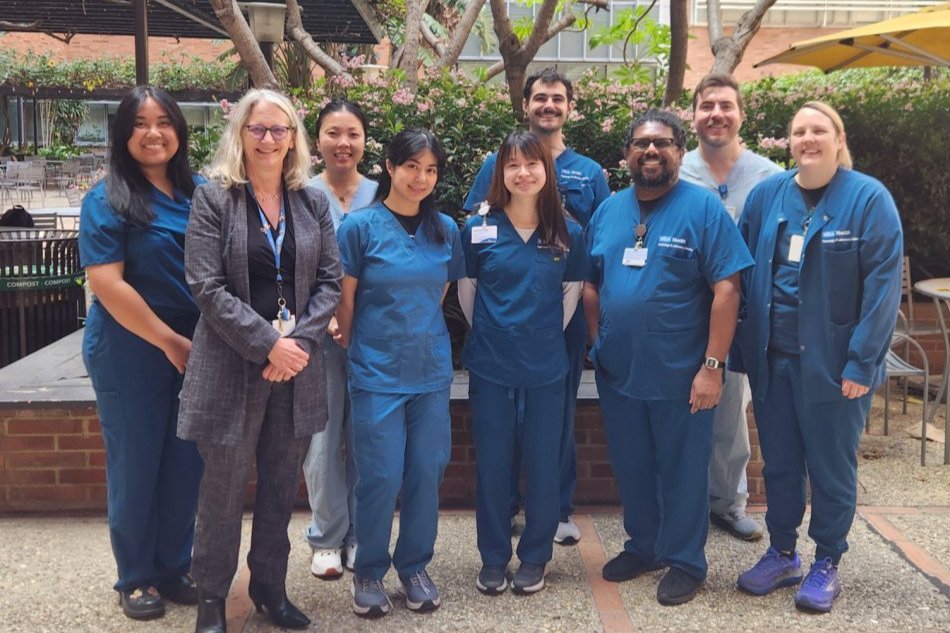
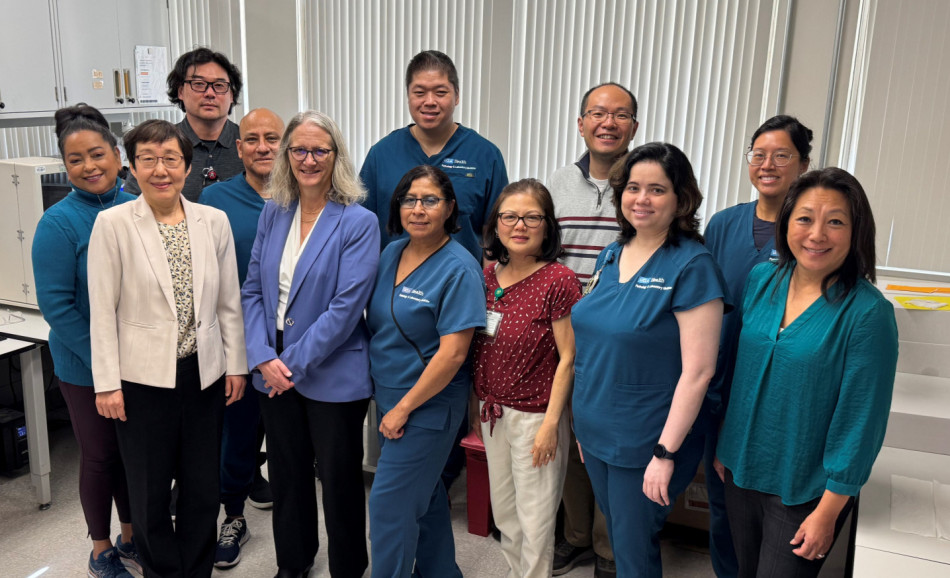
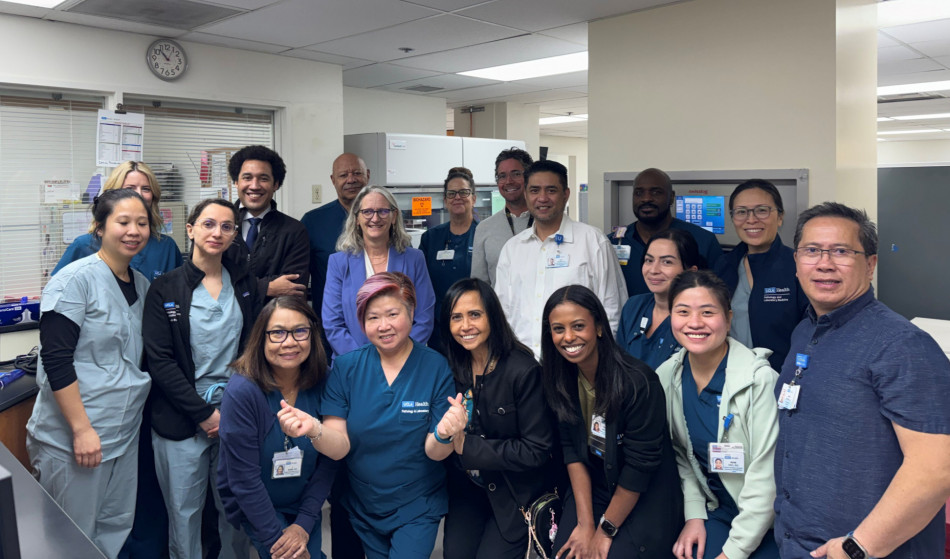
Selected members of our Brentwood Team (L to R): Dr. Suki Chandrasekaran, Stephanie, Diana, Dr. Sarah Dry, Dr. Omai Garner, Antoine, Allison, Hubert, Sierra |
|
|
Bruin University Reference Laboratory (BURL) |
Founded in 2013, the Bruin University Reference Laboratory (BURL) was established to provide laboratory testing services specifically for UCLA Health ambulatory clinics. Since its inception, BURL has significantly expanded its reach, now serving over 300 clinics from Atascadero along the coast to Irvine. The lab operates ten draw stations and offers daily phlebotomy services to the California Rehabilitation Institute. With an impressive workload, BURL performs between 17,000 and 18,000 tests daily.
Key accomplishments this year include: |
- BURL has partnered with Roche to develop a fully automated “lab of the future” at UCLA, with several foundational initiatives launched this year to begin the transformation.
-
BURL is preparing to temporarily house two new instruments for West Valley Hospital. The West Valley team will complete validation at BURL prior to moving and integrating the instruments into their laboratory operations.
- Multiple improvements are underway in inventory management, supply organization, and space planning to expand our overall laboratory footprint.
-
New testing has been validated on the Cobas Pro platform to reduce pressure on two existing chemistry lines and support increased testing volume.
- The building recently underwent a network upgrade and will soon receive additional bandwidth enhancements to support expanded automation.
|
|
|
BURL AM Shift
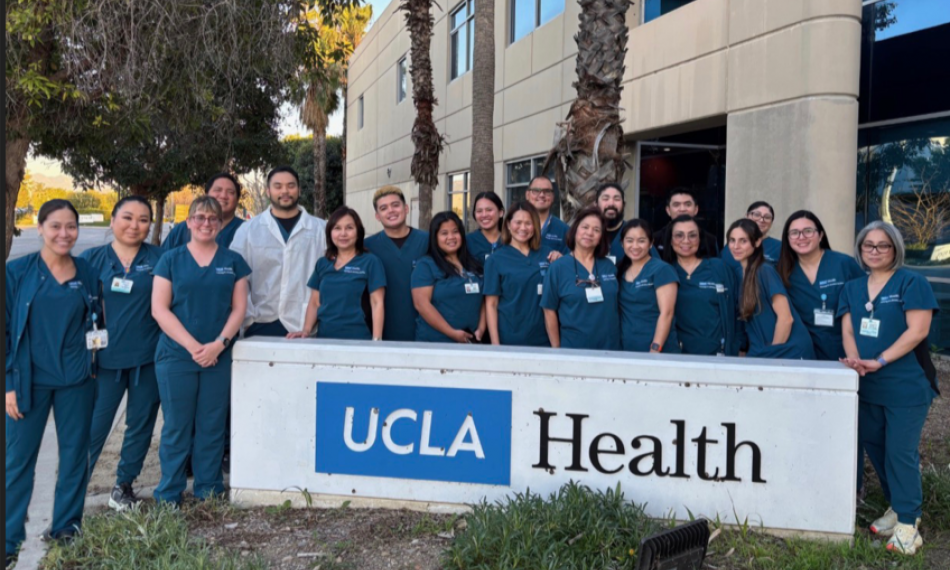
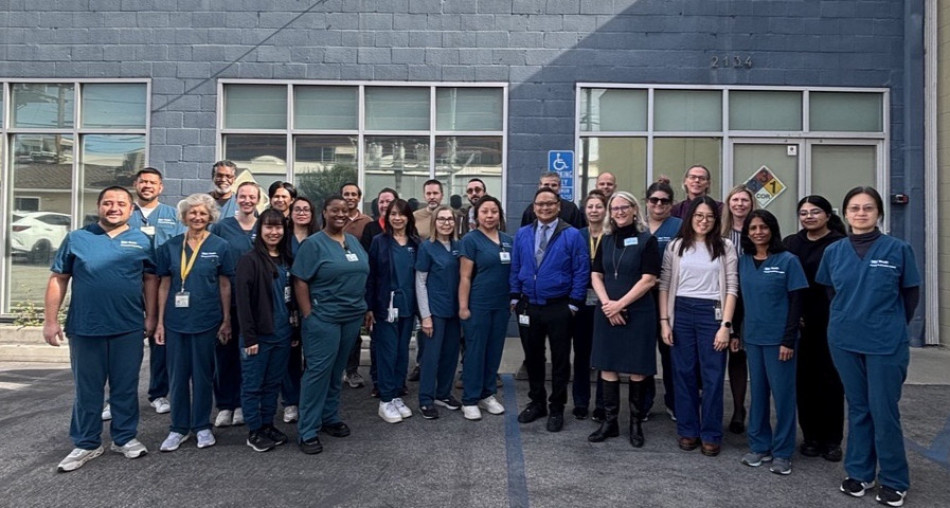
Front Row (L to R): Katherine, Robin, Beth, Chris, Mina, Dr. Sarah Dry, Marina, Letty, Sara, Stephanie Back Row (L to R): Gary, Turqoise, Noah, Jim, Kazi, Scott, Maryann, Mary Alice, Asu, Joy |
| BURL PM Shift Front Row (L to R): May, Jenna, Sarah, Cora, Jahara, Argelyn, Marina, Precious, Rowena, Vanessa, Joy, Bernie
Back Row (L to R): John, Justin, Veence, Divina, Kevin, Blue, Francis, Liz |
|
|
The Pathology and Laboratory Medicine Client Services Team serves as the central point of contact for all laboratory‑related inquiries from ambulatory and outreach physicians, clinic staff, and patients. The team manages a wide range of responsibilities, including resolving issues related to sample collection, patient services, and test processing, while proactively reaching out to offices to address problems and obtain missing information. They also support faculty by coordinating test requests and ensuring the timely delivery of slides and specimens. In addition, the team oversees specimen routing and manages all courier operations to maintain efficient transport workflows. Using Epic’s Client Response Module, they track, document, and resolve client issues, enabling the identification and mitigation of recurring concerns.
|
| Westwood Client Services
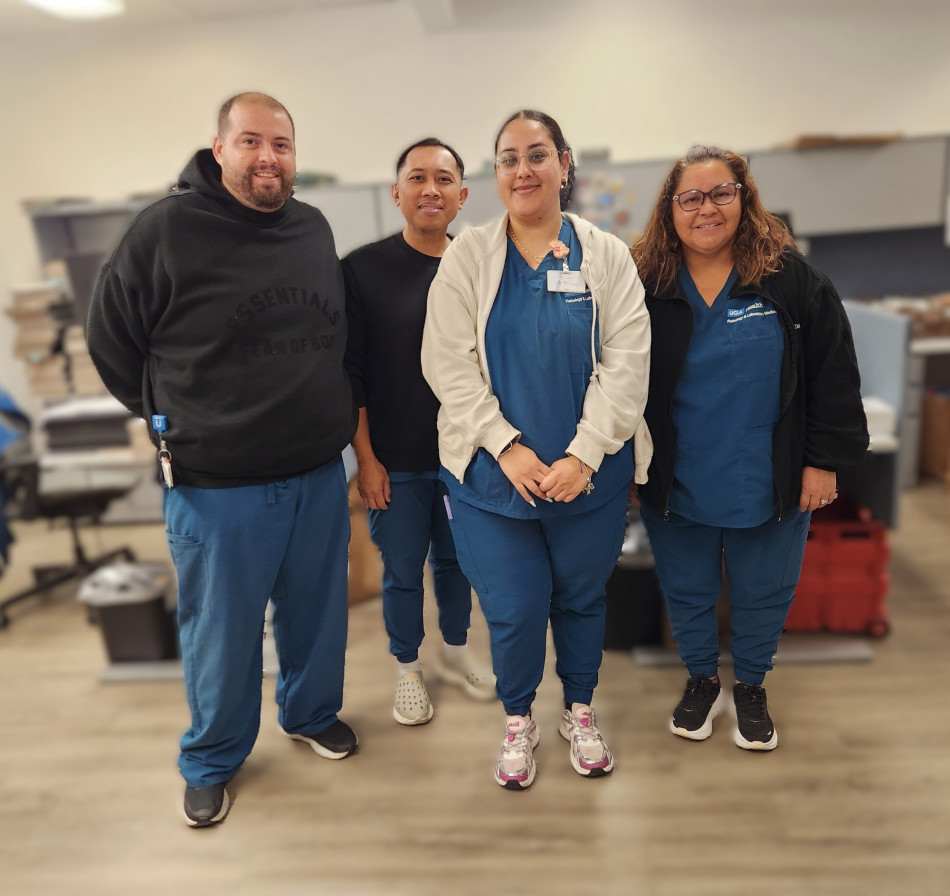
(L to R): Victor, Dennis, Iliana, Veronica BURL Client Services
Sara, Katherine, Turquoise (Pictured with the BURL AM Shift) Sendy, Gladys, Andrea (Not pictured) |
|
|
Center for Health Sciences (CHS) |
Anatomic Pathology (AP) is a vital part of the study and treatment of disease, and is a vast field comprised of decedent pathology, surgical pathology, cytopathology, neuropathology and ophthalmic pathology. Surgical pathology is closely affiliated with the clinical andsurgical departments as well as all the surgical specialties, internal medicine, dermatology, neurology, radiology, radiation therapy, and medical oncology. Surgical pathology is the basis for diagnosis either intra-operatively or following surgery, and the surgical pathologist is called to advise the clinician about the correct diagnosis, appropriate therapy and prognosis. Our CHS building houses multiple AP Labs and teams, including Surgical Pathology, Bone Marrow and Flow Cytometry, Cytology, Histology, Immunohistochemistry (IHC), Molecular Diagnostics Laboratories (MDL), and the Electron Microscopy (EM) Lab.
This year’s accomplishments include: |
- AP Referral Lab Services
-
Expanded new referral lab send out workflow to include MGMT, TERT, MLH1and Tempus (lung) testing. The improvements have improved operational efficiency, communication, and data visibility. It has also minimized delays and missed test requests, while enabling easy data retrieval for workload metrics and in-house test planning. Overall, the changes support a more streamlined and reliable process, benefitting staff workflows, improving patient care outcomes, and optimizing the full lifecycle of referral lab tissue send outs.
- Flow Cytometry and Bone Marrow Laboratory
- The Flow Cytometry and Bone Marrow laboratories achieved several key operational and clinical milestones in 2025.
-
Critical staffing gaps were addressed through the replacement of an Hospital Lab Technician II position, a Clinical Lab Scientist position and the successful internal promotion of a Lab Supervisor, ensuring leadership continuity and operational stability.
-
The team completed validation of two BD Lyric instruments, transitioning the Lymphocyte Subset Enumeration & CD34 Stem Cell Enumeration tests from the legacy BD Canto II platform to State of the Art Lyric Instruments. This transition improved analytical performance and accuracy with LIS Interface capabilities while providing built-in efficiencies and redundancy to support business continuity and mitigate the risk of testing delays due to instrument downtime.
-
Additionally, Bone Marrow turnaround time was improved by optimizing specimen pickup times from the Clinic, resulting in more timely processing and reporting of patient results.
- Molecular Diagnostics Laboratories (MDL)
- Medicare coverage technical approval for Comprehensive Hematologic Malignancy Sequencing Panel
- Expanded solid tumor Fusion Sequencing Panel from 145 genes to 157 genes
- BRAF V600 Mutation Analysis for Hematologic Malignancies
- Surgical Pathology & Autopsy
- Merger of West Valley Surgical Pathology operations under Jennifer Filipek and Jessica Jones
|
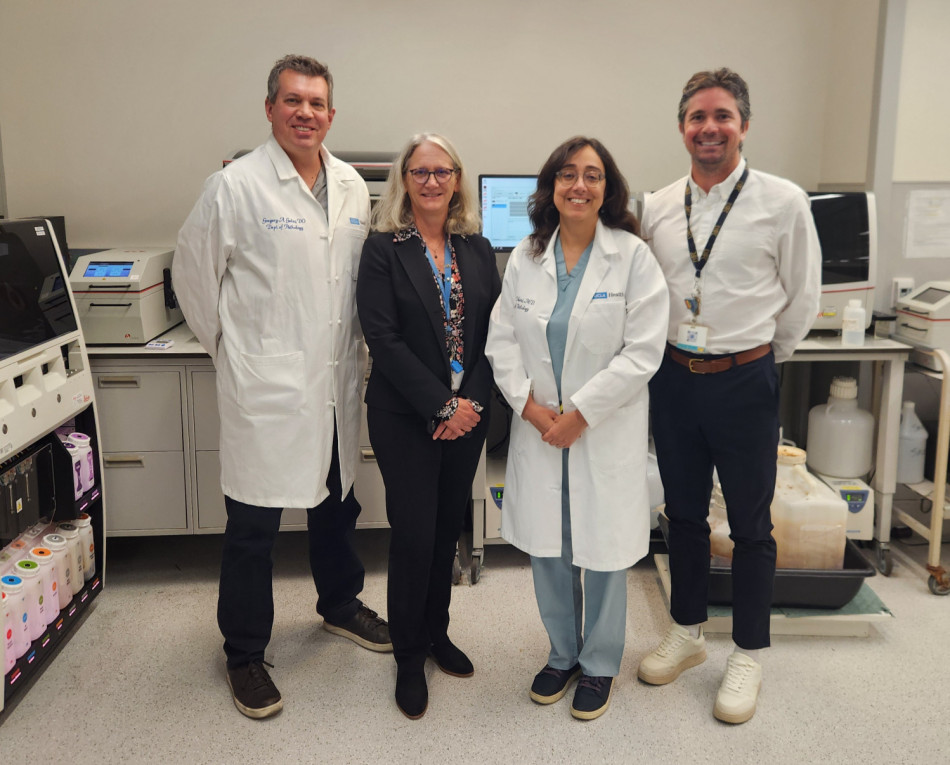
AP Leadership (L to R): Dr. Greg Gates (Surgical Pathology Director), Dr. Sarah Dry (Chair), Dr. Bita Naini (Vice Chair, Anatomic Pathology), Alex Martin (Director of Anatomic Pathology Operations) |
|
|
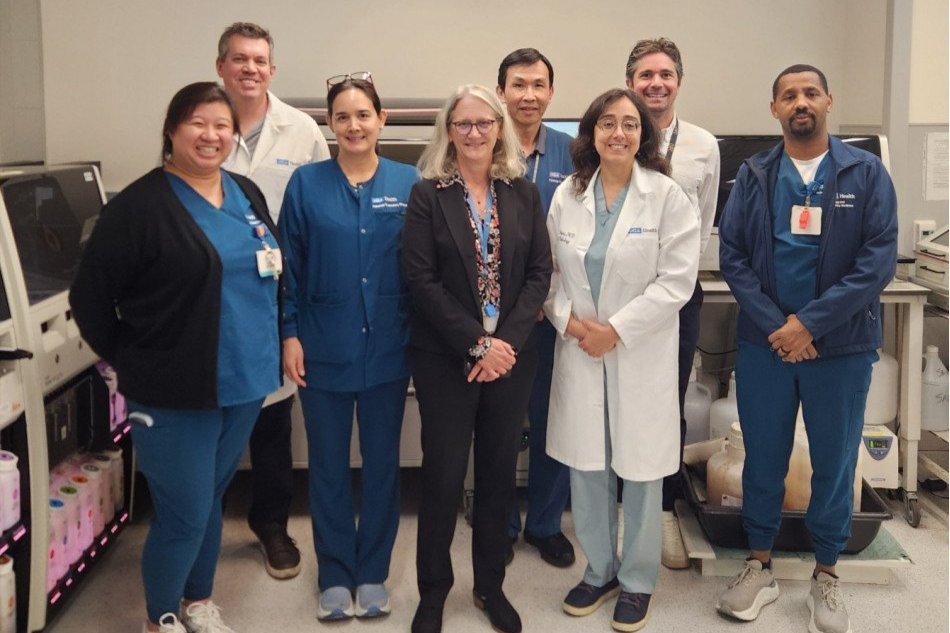
Selected AP Team Members Front Row (L to R): Alyzzah (SPRO), Maggie (Histology), Dr. Sarah Dry, Dr. Bita Naini, Sam (SPRO)
Back Row (L to R): Dr. Greg Gates, Shyue-Lee (Cytology), Alex Martin |
| Westwood Pathologists' Assistants and Dr. Dry Front Row (L to R): Dr. Sarah Dry, Janine, Amy, Lenny, Jessica Back Row (L to R): Marcha, Rosine, Colton, Justin |
|
|
Cytogenetics is the study of the structure, function, and evolution of chromosomes. Chromosomal aberrations are hallmarks of different types of cancers and genetic conditions. The UCLA Cytogenetics Laboratory is a high-volume full-service operation, performing chromosomal studies for constitutional (prenatal and postnatal) and cancer (hematological neoplasms and solid tumors) indications on a variety of sample types such as, amniotic fluid, chorionic villus, blood, bone marrow, and tissue. The laboratory test menu has an extensive offering of FISH probes, karyotype studies, and chromosomal microarray analyses. The UCLA Cytogenetics Laboratory is also approved to perform cytogenetic testing for the California Prenatal Diagnosis Center and Children’s Oncology Group. The Cytogenetics team includes technicians, licensed laboratory professionals, Clinical Cytogenetics Specialist (CCS) trainees, Laboratory Genetics and Genomics (LGG) fellows and ABMGG board certified laboratory directors.
Notable accomplishments and projects include: |
- Completed validation of B-ALL Ph-Like FISH panel to allow in-house testing (includes 3 new FISH tests added to the panel)
- JAK2 (9p24.1)
- EPOR (19p13.2)
- CRLF2/P2RY8 (Xp22.33/Yp11.32)
- New FISH test validations completed for:
- TCL1 (14q32.1) for T-PLL
- RUNX1 (21q22.1) for various hematological malignancies
- Completed culture validation for Marrow Max (bone marrow cell culture medium) to provide superior chromosomal morphology and ensure consistent growth of hematopoietic cells
- Implemented CareConnect enhancements for analysis and reporting HER2 FISH,Glioma panel FISH and Karyotype studies
|
Selected members of the Cytogenetics Team Front Row (L to R): Dr. Lily Zhang, Dr. Sarah Dry, Elvira, Leni, Tina, Dr. Sue Kang
Back Row (L to R): Maloney, Jake, Luis, John, Dr. Fumin Lin, Michelle |
|
|
UCLA Olympic Analytical Laboratory (OAL) |
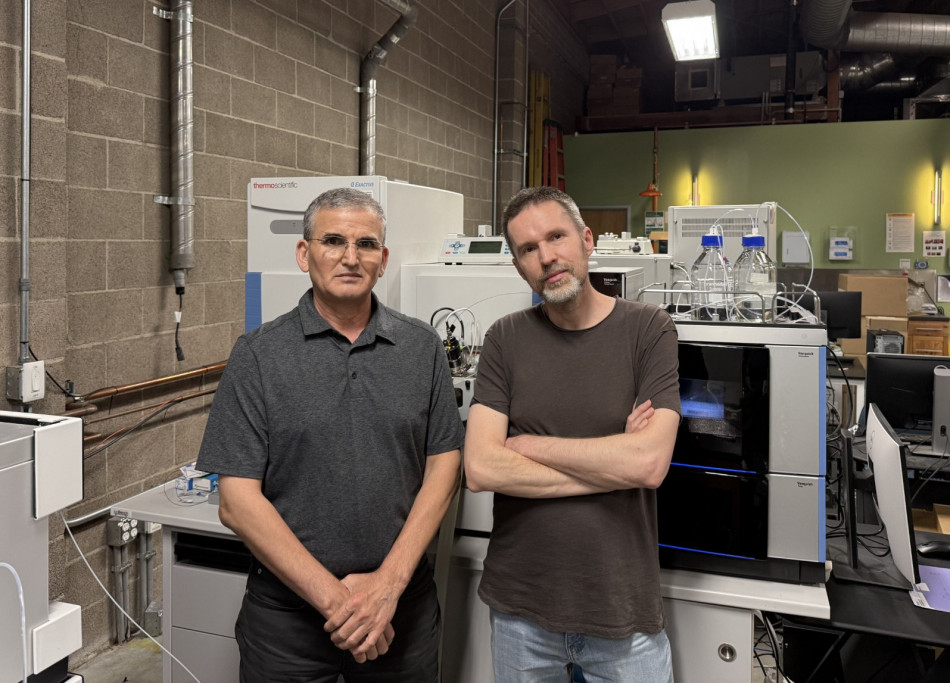
The UCLA Olympic Analytical Laboratory (OAL) is one of the world’s largest World Anti-Doping Agency (WADA) accredited sports drug-testing facilities. As one of the leading institutions in the field of athletic antidoping, OAL is one of two laboratories in the U.S. accredited by WADA. The laboratory analyzes an estimated 40,000 urine specimens per year for traces of banned substances intended to give athletes an unfair edge in competition. The laboratory primarily utilizes liquid and gas chromatography coupled together tandem or high-resolution mass spectroscopy to search for the presence of hundreds of drugs and their metabolites which have the potential to be abused by athletes to gain an unfair advantage both in and out of competition. The lab performs drug testing for national and international sports organizations, including the National Collegiate Athletics Association (NCAA), National Football League (NFL), Major League Baseball (MLB), the United States Anti-Doping Agency (USADA) and has provided testing services for major sporting events such as the 1994 World Soccer Cup and three Olympic Games.
UCLA OAL has been a leader in research activities directed toward enhancing methods todetect doping in sports. UCLA OAL has contributed to the findings of techniques and substances that currently influence the fight against doping in sports including work in the areas of dietary supplements and trace contaminants, work on designer drugs including those which have never been approved for human use, development of high-throughput and cost effective techniques for drug detection and utilization of alternative matrices such as dried blood spots for testing purposes.
During the past year, the laboratory reached an important milestone by joining the external quality assessment program for the hematological portion of WADA's athlete biological passport which is a crucial tool for detecting blood manipulation.
This year the laboratory published its work on development and validation of a carbon isotope ratio-based methodology utilizing extensive HPLC cleanup and formylation of steroids as well as the results of its study on identification and analysis of in vitro metabolites of the exercise mimetic SLU-PP-332 ERRa/b/g agonist. |
Many members of the Olympic Analytical Laboratory Team
(L to R): Mustafa, Adan, Yulia, Brian, Samantha, Elina, Francis, Elena, Ashley, Joseph, Louise, Lorna, Timothy, Tatiana, Oleg, Yadira, Ronald, Nurali, Fereshteh, Dr. Imir Metushi, Dr. Sarah Dry, Samantha, Elizabeth, Shirley, Kelli, Monika, Maria, Yan |
|
|
Ronald Reagan University Medical Center |
The UCLA Clinical Laboratory and Blood Bank at Ronald Reagan UCLA Medical Center remains a cornerstone of high-quality, patient-centered diagnostic care across UCLA Health. Serving patients in Westwood, Santa Monica, and an extensive network of affiliated outpatient clinics and physician offices, our laboratory combines scientific expertise, operational excellence, and compassionate service to support the evolving needs of ourcommunities.
Our phlebotomy teams provide care for both inpatients and outpatients throughout the hospital and at the Westwood 100 and 200 Medical Plaza locations. More than 350 laboratory professionals support comprehensive diagnostic testing across blood bank, blood gases, chemistry, coagulation, hematology, microbiology, serology, toxicology, and urinalysis. In addition, the laboratory oversees point-of-care testing across inpatient and hospital-based outpatient settings to ensure rapid, reliable results at the bedside. For highly specialized testing beyond our in-house capabilities, we partner with select reference laboratories to maintain the highest standards of quality and reliability.
The accomplishments below highlight our continued focus on patient safety, operational excellence, innovation, and workforce development. Notable Projects and Achievements in 2025: |
- Phlebotomy, Support Services, and Reference Testing
- Served an average of 15,500 patients per month at Westwood draw stations, a 3% increase from 2024.
- Implemented multi-language check-in within the QLESS draw station system to improve patient access.
-
Continued renovation of the 200 Medical Plaza laboratory to expand draw stationsand improve patient throughput and decrease wait times.
- Optimized the referral testing menu by converting high-volume miscellaneous referral tests to discrete codes and expanding use of the Roche automation line for high-volume send-out workflows.
-
Core Laboratory (Chemistry, Hematology, and Coagulation)
- Implemented new instrumentation, including the XN-1000i hematology analyzer, ROTEM Sigma analyzers in the Anesthesia laboratory, and iSED Elite analyzers in Hematology, improving testing capacity and turnaround times.
-
Introduced rapid syphilis testing to support Emergency Department patients, enabling faster diagnosis, treatment, and linkage to care.
- Reduced routine coagulation test turnaround times by 25%.
- Transfusion Medicine/Blood Bank
-
Incorporated West Valley Blood Bank into UCLA Blood Bank policies and procedures with medical director oversight and added it as a third testing site in SafeTrace Tx.
- Implemented the BloodAdmin module in CareConnect to enhance operating roomtransfusion documentation.
-
Launched electronic issue documentation for emergent neonatal transfusions and developed new bone marrow transplant donor/recipient reports to streamline reporting.
- Expanded the use of low-titer O-positive whole blood for trauma resuscitation.
-
Participated in major research initiatives including the Cold-Stored Platelets (CHIPs) Cardiac Surgery Trial and the Duffy Associated Neutrophil Count (DANC) donor antigen study.
- Education, Workforce Development, and Scholarship
- Quality, Stewardship, and Regulatory Excellence
- Successfully completed an FDA survey of the blood bank with no observations or reportable findings.
- Completed 726 CAP proficiency testing events across regulated and unregulated analytes.
-
Provided operational and regulatory support for the West Valley laboratory and blood bank, including protocol alignment and Epic CareConnect go-live preparation andsupport.
- Implemented MediaLab/CAP Competency Hub to strengthen training, competency tracking, and regulatory compliance.
|
As we move into 2026, we remain committed to delivering accurate, timely, and compassionate diagnostic services that support world-class patient care. The expertise and dedication of our laboratory professionals continue to drive innovation and excellence across UCLA Health. |
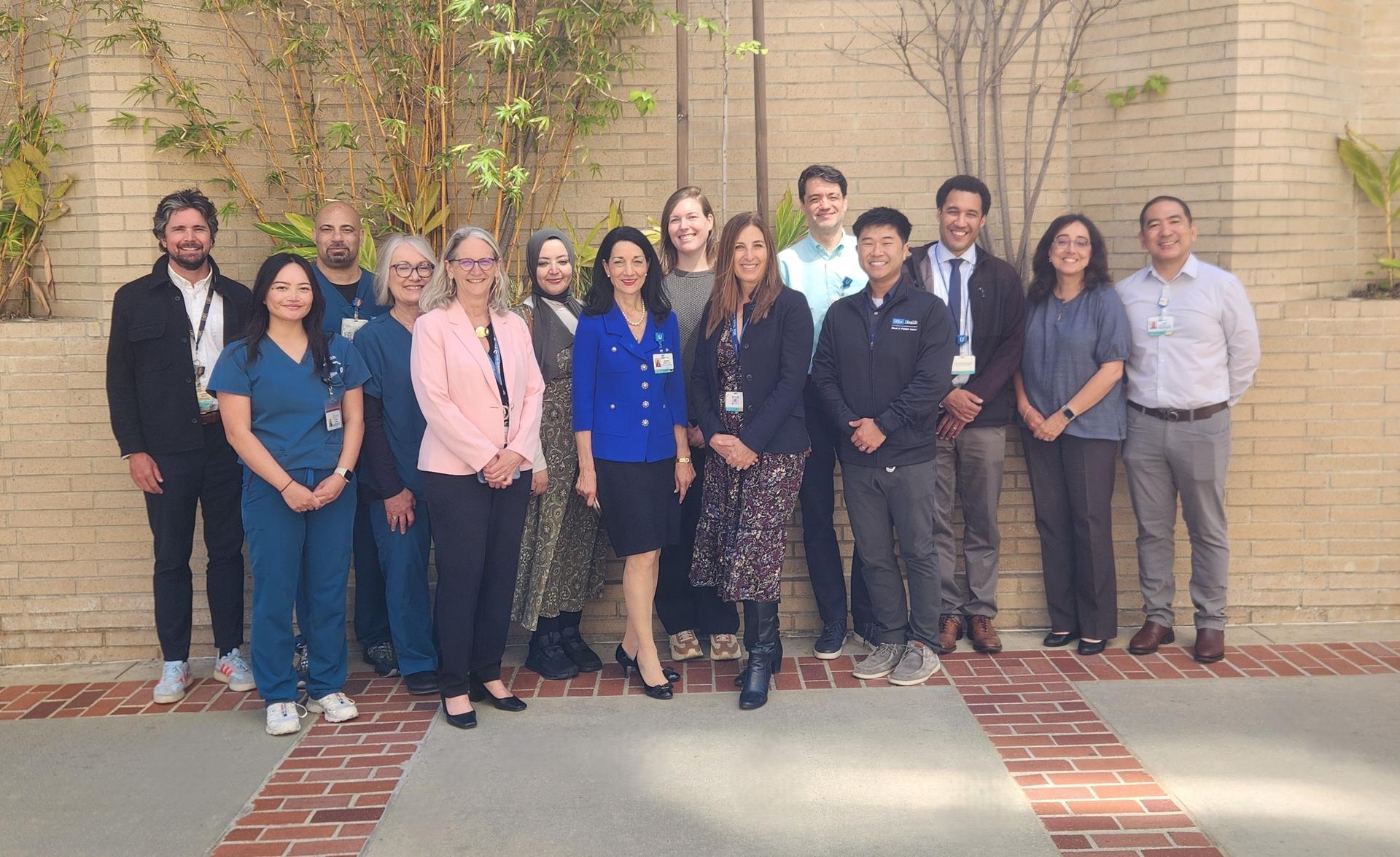
(L to R): Alex (Director of Anatomic Pathology Operations), Angela (Immunogenetics), Wayne (Support Services – Phlebotomy), Lynne (Histology), Dr. Sarah Dry (Chair), Dr. Mai Elzieny (Surgical Pathology Fellow), Johnese Spisso (President, UCLA Health & CEO, UCLA Hospital System), Kayla (Cytogenetics), Dr. Alyssa Ziman (Medical Director, Ronald Reagan Hospital Laboratories), Voicu (Transfusion Medicine), Dr. Zhen Mei (Residency Program Director), Dr. Omai Garner (Division Chief, Laboratory Medicine), Dr. Bita Naini (Division Chief, Anatomic Pathology), Jowin (Regulatory Affairs)
|
|
|
Santa Monica Clinical Laboratory |
Santa Monica Clinical Laboratory is comprised of the inpatient clinical lab and the outpatient draw station. Our outpatient draw station offers world-class laboratory services without standing customer care. Our services include onsite blood draw, specimen collection, and specimen drop-offs. Our draw station serviced 51,175 patients in 2025. The inpatient clinical lab provides a wide range of laboratory services with advanced technologies that aid clinicians in diagnosing, treating, and monitoring diseases.
We offer our staff a unique opportunity to gain valuable experience across multiple areas of the lab. Our pre-analytical staff are highly skilled in phlebotomy, specimen processing, and operating and maintaining our Total Lab Automation (TLA) line. Our clinical lab scientists are equipped with comprehensive laboratory knowledge by rotating through different sections of the lab, including Blood Bank, Hematology, Chemistry, Coagulation, Urinalysis, limited Microbiology, Point-of-Care, and Intra-operative PTH testing. We commit to delivering high-quality patient care through all phases of laboratory testing, from pre-analytical to analytical and post-analytical, by constantly improving the way we deliver our services.
Some notable accomplishments in 2025 include: |
- Preanalytical – Inpatient
- Implemented a phlebotomy buddy system for morning draws, significantly reducing turnaround times for blood collection.
-
Created a new phlebotomy tray storage and provided each phlebotomist their own tray so they can be on the floor faster.
- Streamlined draw assignment workflow for evening shift to minimize unnecessary walking and improve efficiency.
-
Transitioned responsibility for draw management in evening shift from dispatchers to individual staff members. This not only reduced dispatcher burden but also promoted staff ownership and accountability, contributing to improved morale and reduced burnout.
- Preanalytical – Outpatient
-
Implementation of Next Day Clinic Queue: A dedicated queue and workflow was launched for patients who were first seen in the Emergency Department but required outpatient phlebotomy services. This initiative ensured timely laboratory results, directly supporting expedited patient care and clinical decision-making.
-
Workflow Optimization: The registration process was restructured to eliminate redundancies. Patients are now sent directly to the phlebotomist for one-click initiation, rather than being clicked in during registration. This change significantly streamlined the workflow, resulting in faster processing, improved communication, and increased patient satisfaction.
- Updated the patient check-in kiosk and notification messages to improve outpatient communication.
- Implementation of Advanced Beneficiary Notice (ABN) workflow – a system that automatically checks the ordered procedure’s CPT code against the linked diagnosis to inform the providers and the patients promptly on Medicare coverage.
- Point-of-Care Testing
-
Implementation of new analyzer for Intra-Operative PTH testing – a new technology, more reliable and stable instrument, eliminate the manual sample processing.
- Blood Bank
- Adjusted blood inventory to better support Massive Transfusion Protocols andour patients’ needs.
-
Created a CareConnect surgery schedule specific for Blood Bank needs to streamline workflow and improve blood preparation for surgeries.
- Hematology
- Implementation of the new Hematology line and interface software – optimizing workflow and ensuring timely result delivery.
-
Implementation of Syphilis Health Check Test for SM ED – aiding in the reduction of Syphilis spreading in the community.
- Enhanced blood parasites testing for result accuracy.
- Chemistry
-
Implementation of Beta-Hydroxybutyrate test – supported the new American Diabetes Association (ADA) consensus for Diabetes/Ketosis/Metabolic Acidosis diagnosis, monitoring and resolution. Bringing this test in-house is beneficial to the patients and significantly reduces the result turnaround time of the test.
- Quality Assurance
-
Implementation of MediaLab Compass for staff competency assessments –reduced paper waste, automatic competency assignment, standardized competency process.
- Standardized the critical result notification SOP with RRH and BURL.
- Simplified CSF Cytology processing workflow to reduce errors and improve turnaround time.
- All our Quality Assurance Indicators are consistently above the targets.
|
Santa Monica Pathologists' Assistants and Faculty (L to R): Mariah, Dr. Steven Hart, Maria, Dr. Sarah Dry |
|
|
Selected members of the Santa Monica Laboratory Team
Front Row (L to R): Crystal, Wilhma, Mariglo, Don, Dr. Sarah Dry, Millie Back Row (L to R): Antonio, Frank, Robert, Jenny, Jose, Joanna, Jasmine, Rovy, Dr. Steven Hart, Beng, Mikaela |
| Santa Monica Faculty, Staff, and Trainees Front Row (L to R): Tannia, Nadya, Dr. Sarah Dry, Dr. David Lu, Dr. Heather Ross
Back Row (L to R): Dr. Jeffrey Chang, Dr. Farres Obeidin, Dr. Chana Sachs |
|
|
UCLA IMMUNOGENETICS CENTER |
The UCLA Immunogenetics Center (UIC) provides state of the art Histocompatibility and Immunogenetics testing for solid organ and stem cell transplantation, pre and posttransplant immune assessment and testing for diagnosis of diseases with associations to the Human Leukocyte Antigens. As one of the first established laboratories in Histocompatibility and Immunogenetics, we continue to advance the field through research, clinical innovation, proficiency testing and educational training UIC provides customized testing and support services for clinical trials and clinical research to monitor response to experimental therapy.
|
|
|
As part of UIC’s ongoing commitment to innovation and operational excellence, our department is introducing three new instruments that will significantly strengthen our laboratory capabilities. These additions position our team to meet growing clinical and research needs with greater efficiency and scalability. Janus Device
We are pleased to announce the implementation of the JANUS automated liquid handling system, an advanced, flexible pipetting technology to enhance precision and throughput in our aliquoting workflows. This brings transformative improvements to our aliquoting and sample‑processing capabilities. By leveraging modular, high‑accuracy pipetting technologies, this system strengthens our ability to support complex immunogenetic analyses with greater speed, and even greater consistency. Nanopore Sequencing Our UIC lab will go live with Nanopore Sequencing for clinical HLA typing using the GenDxplatform. This milestone will significantly reduce processing times and costs. |
| UCLA Immunogenetics Team Top to Bottom (L to R)
Row 1: Adam
Row 2: Vy, Sherry, Trace, Michelle, Chen, Ying, Julie, Meldy, Min
Row 3: Abiha, Dr. Yuxin Yin, Dr. Shili Ge, Arlene, Dr. Sun Mi Choi, Dr. Harry Pickering, Amy, Anh, Dr. Rajesh Parmar
Row 4: Dr. Monica Cappelletti, Dr. Nwe Nwe Soe, Dr. Olga Timofeeva, Dr. Mario Pulido
Row 5: Dr. Carrie Butler, Dr. Jennifer Zhang, Dr. Michelle Hickey
Row 6: Kelli, Dr. Sarah Dry, Dr. Elaine F. Reed, Krystal
Not pictured: Mary Alice |
|
|
West Valley Medical Center |
UCLA Health’s leading-edge patient experience is now available in West Hills for residents of the San Fernando Valley. The UCLA Department of Pathology and Laboratory Medicine assists the West Valley Medical Center (WVMC) health professionals and patients in making optimal decisions based on the latest diagnostic studies, using state-of-the-art instrumentation.
Anatomic Pathology operations have transitioned to the oversight of Dr. Irene Riahi, Alex Martin, Jennifer Filipek, and Jessica Jones. This change was implemented to better align with UCLA Health standards and to enhance operational efficiency. Under this new leadership structure, the department remains committed to ensuring the delivery of high-quality care to all West Valley patients. |
| West Valley Medical Center Team Front Row (L to R): J, Herjanti, Eleonor, Ebenezer, Irene, James
Middle Row (L to R): Pam, Dr. Irene Riahi, Dr. Sarah Dry, Richard, Vanessa Back Row (L to R): Jennifer, Dr. Omai Garner, Anthony, Beryl, Alex, Arnold, Dr. Tobi Quinto |
|
|
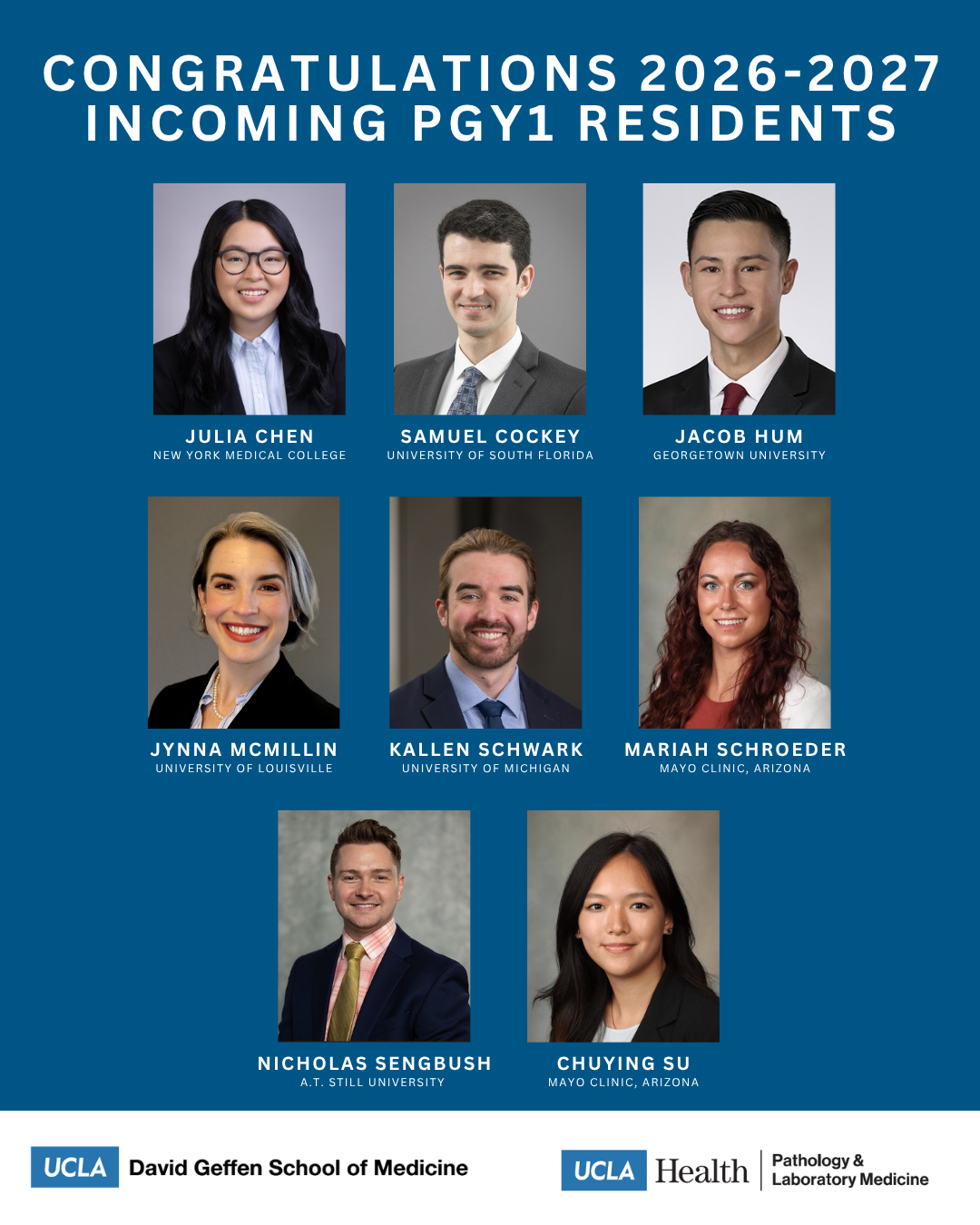
I am pleased to introduce the incoming PGY1 residents for 2026-27! Thank you to all the faculty and trainees who participated in the PGY1 recruitment process – this process requires enormous effort and collaborative teamwork throughout the year. Special thanks to our Residency Leadership Team (Dr. Zhen Mei, Dr. Chana Sachs, Dr. Diana Vulcain, and Dr. Dinesh Rao) and to Heidi Martinez, Jayne Lu, and our Education team (Andrew Aldapa and Victoria Amador).
|
|
|
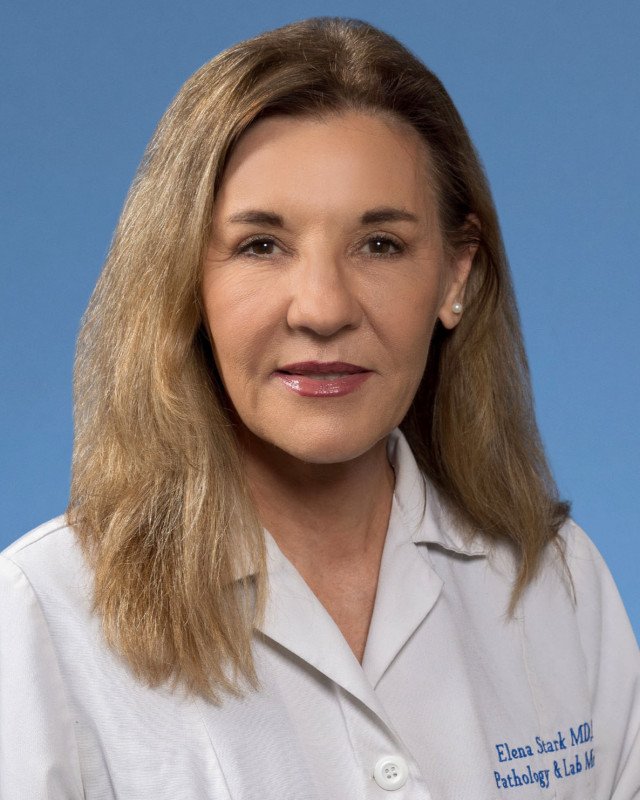
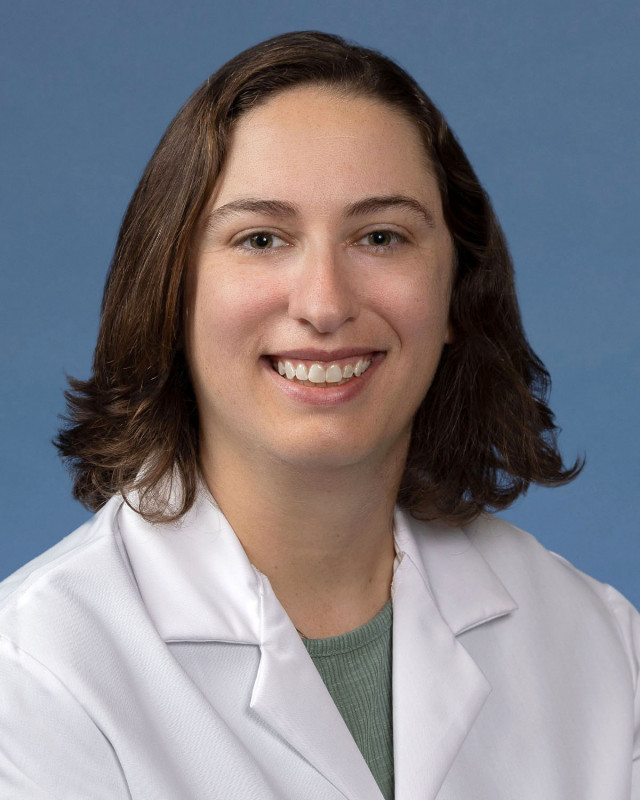
We are pleased to announce that the PEAKS (Pathology Education and Advanced Knowledge Series) Discovery project has been approved and is now included in the 3rd-year catalog. This five-month longitudinal rotation offers medical students immersive exposure to the Department of Pathology and its many subspecialties with mentorship from Dr. Elena Stark and Dr. Chana Sachs.
Students will rotate through areas of Anatomic and Clinical Pathology, including surgical pathology subspecialties, autopsy, cytopathology, hematopathology, cytogenetics, molecular diagnostics, transfusion medicine, and other laboratory medicine services. Working closely with faculty, fellows, and residents, students will participate in hands-on learning, case discussions, and interdisciplinary collaboration that highlight the critical role of pathology in diagnosis and patient care. The program includes structured rotations, customizable elective time, participation in resident didactics, and weekly mentorship with Dr. Stark, Dr. Sachs, or a designated faculty mentor. Students will complete a final presentation reflecting their learning, which may include a case study, literature review, quality improvement project, or educational initiative related to pathology.
The PEAKS Discovery project differs from the Pathology Post Sophomore/Junior Fellowship program, in that PEAKS students will remain in a student role, and will have additional longitudinal responsibilities/courses within the medical school during their participation in the department. PEAKS is ideal for students considering a career in pathology or those seeking a deeper understanding of disease mechanisms and diagnostic decision-making across specialties. |
|
|
(L to R): Dr. Elena Stark and Dr. Chana Sachs | |
|
UCLA Health's 2026 Colorectal Cancer Awareness Month Kick-Off Event |
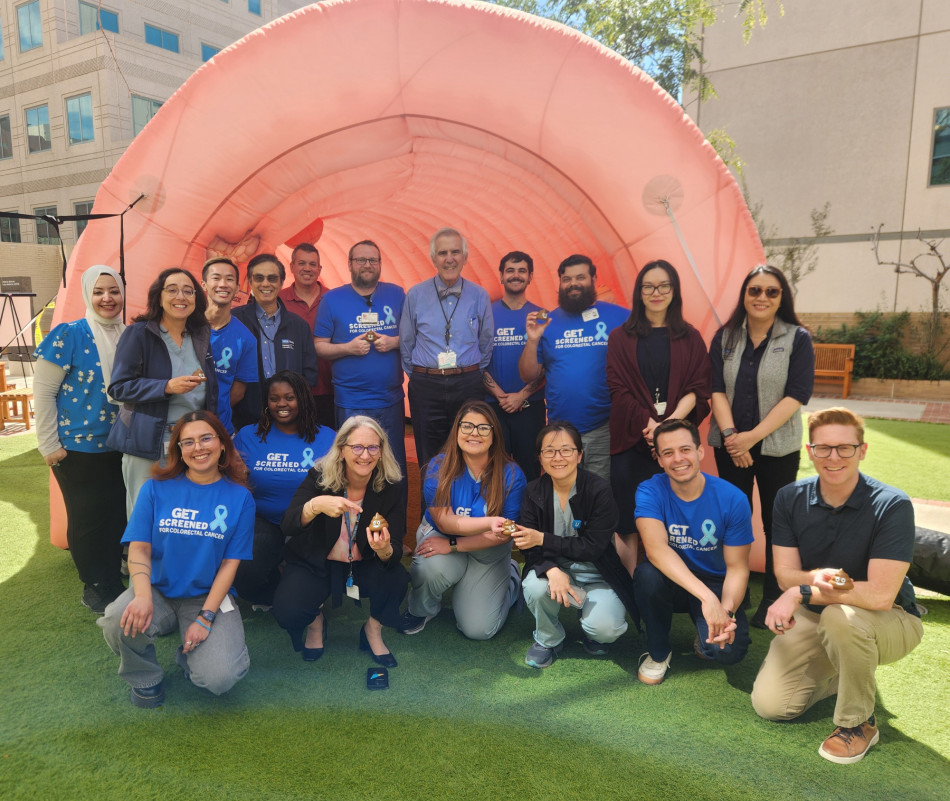
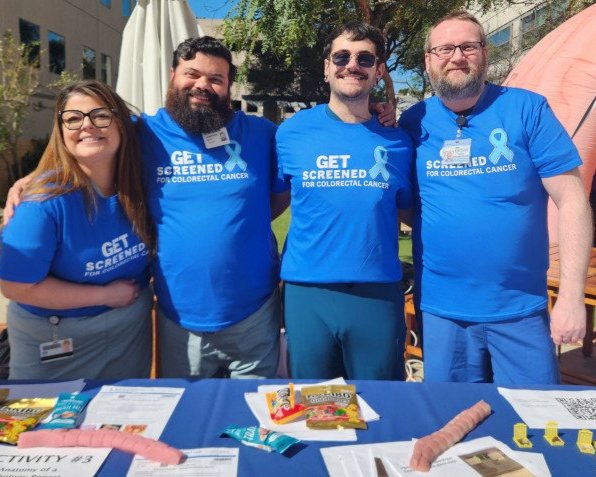
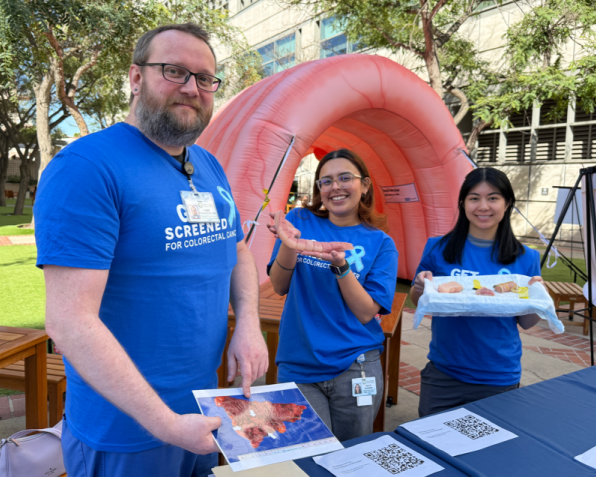
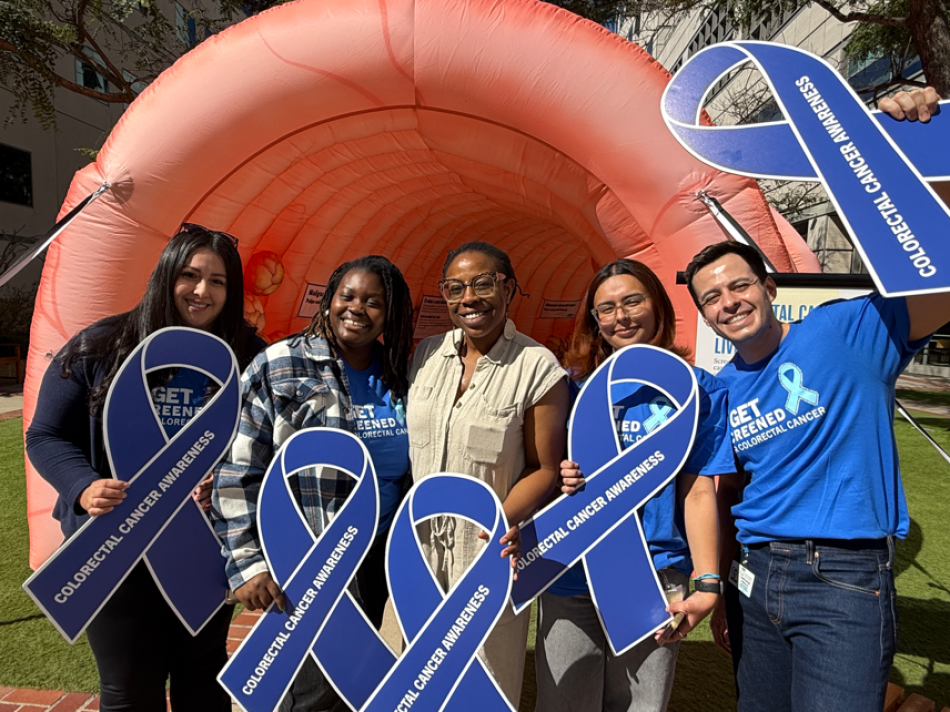
In collaboration the UCLA Vatche & Tamar Manoukian Division of Digestive Diseases, UCLA Pathology participated in UCLA Health's 2026 Colorectal Cancer Awareness Month Kick-Off Event with an Interactive Pathology Station! The station featured three activities: (1) matching colonoscopy findings to histology and diagnosis, (2) the journey of a biopsy, and (3) the anatomy of a pathology report. The event also included an educational station with genetic counselors to discuss hereditary CRC, giveaways, and back by popular demand, the inflatable colon!
Thank you to all who helped to plan for the event: |
- Trisha James – UCLA Gastroenterology and Hepatology Department Coordinator of the colorectal cancer screening event
-
Volunteer team – for volunteering their time to participate in the event and teach participants: Dr. Amanda Zand (GI/Liver Fellow), Cecilia (Research Associate), Dr.Donald Doanman (PGY-1), Dr. Daniel Stefanko, Colton (Pathologist Assistant),Christopher (Rising MS-4), Janine (Pathology Assistant Student), Dr. Christofer Bello (GI/Liver Fellow), Laura (Discovery Year student, MS3), and Somto (Research Associate).
- Dr. Bita Naini – for recruiting Dr. Kene Ojukwu to manage the event & fostering the collaboration with the UCLA Vatche & Tamar Manoukian Division of Digestive Diseases
- Dr. Kene Ojukwu – for bringing the Pathology Interactive Station to fruition and recruiting a teaching team to participate in the event
-
Jessica Martinez and the Pathology Facilities Team – assisted with the plan for the equipment logistics/transportation for the microscopes
- Dr. Goldstein, Dr. David Dawson, and Dr. Irene Riahi – for providing past case examples
- The Histology Lab & The Surgical Pathology Reporting Office – for providing/pulling past slides for the demonstration
-
To all our GI Faculty, Labs, and Staff for the hard work and dedication to provide exemplary patient care
|
(L to R) Front Row: Cecilia, Somto, Dr. Sarah Dry, Dr. Amanda Zand, Dr. Yuan Shui, Christopher, Dr. Ryan Austin (L to R) Back Row: Dr. Mai Elzieny, Dr. Bita Naini, Dr. Donald Doanman, Dr. Hanlin Wang, Dr. Greg Gates, Dr. Daniel Stefanko, Dr. Jeffrey Goldstein, Colton, Dr. Christofer Bello, Dr. Sarah Zhang, and Dr. Alison Du |
|
|
Left: Dr. Amanda Zand, Dr. Christofer Bello, Colton, and Dr. Daniel Stefanko
Right: Dr. Daniel Stefanko, Cecilia, Janine |
L to R: Laura, Somto, Dr. Kene Ojukwu, Cecilia, Christopher
|
| |
Conferences, Training, & Technology |
American Society for Histocompatibility and Immunogenetics Clinical Informatics Workshop – New Orleans, LA |
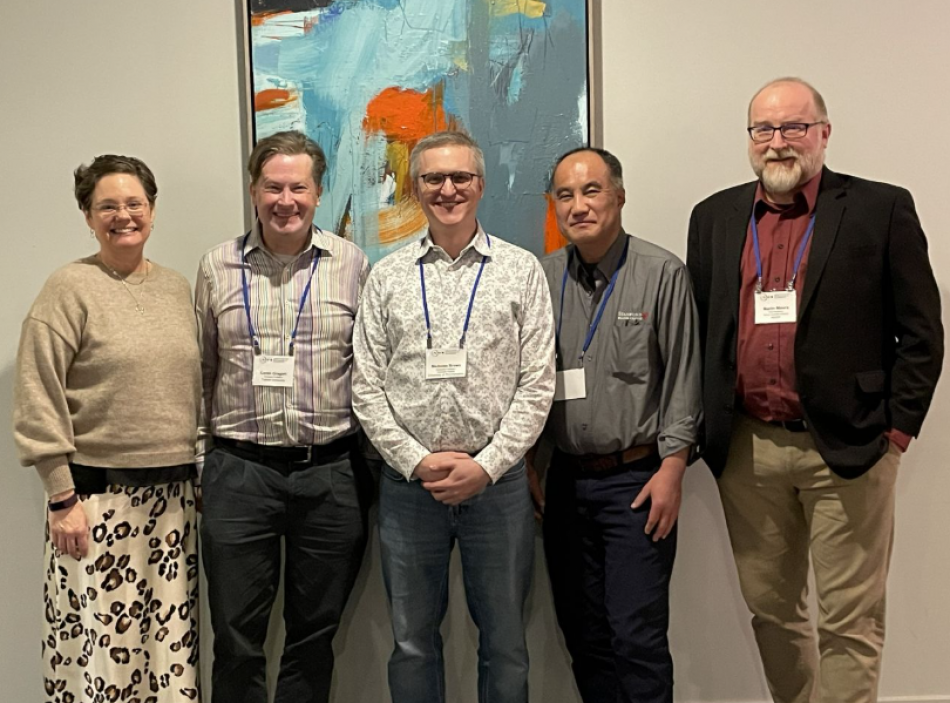
The American Society for American Society for Histocompatibility and Immunogenetics (ASHI) Clinical Informatics Workshop took place from February 23-24,2026 in New Orleans, LA. Our Department attendee was Dr. Michelle Hickey. Dr. Hickey taught an informatics workshop that offered hands-on learning, practical tools,and thoughtful guidance for those interested in HLA informatics. |
Event Speakers, L to R: Dr. Michelle Hickey, Dr. Loren Gragert (Tulane), Dr. Nicholas Brown (University of Pennsylvania), Dr. Kazutoyo Osoegawa (Stanford), Martin Maiers (National Marrow Donor Program)
Not Pictured: Dr. Evan Atkinson (Tulane) |
|
|
13th Annual UC San Diego Essentials and Advances in Apheresis Therapies Meeting – San Diego, CA |
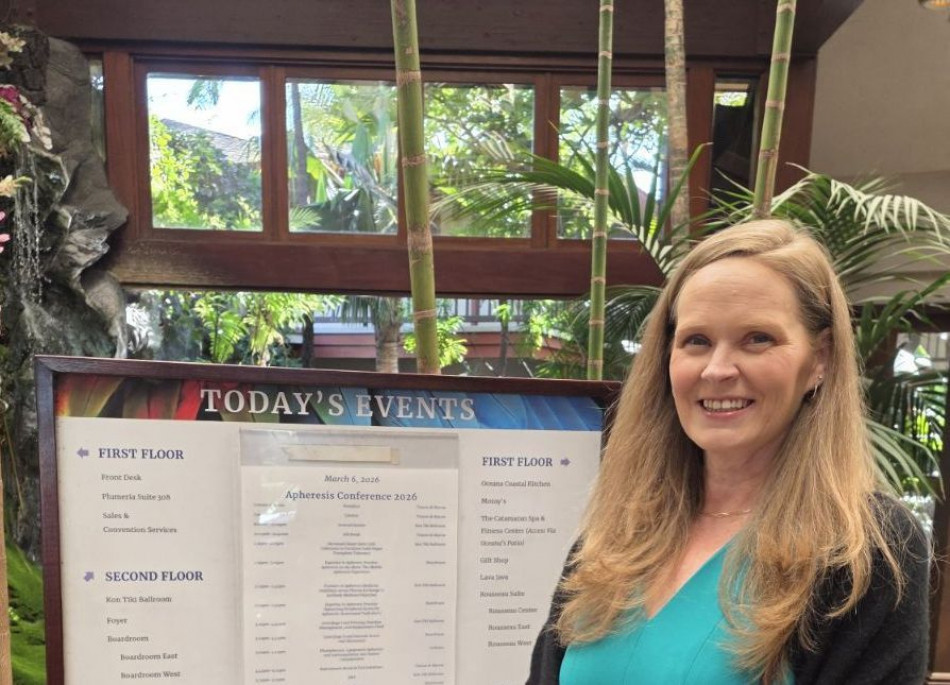
The 13th Annual UC San Diego Essentials and Advances in Apheresis Therapies Meeting took place on March 5-7, 2026 in San Diego, CA. Our department attendee was Dr. Rebecca Sosa. Dr. Sosa presented on "Frontiers in Apheresis Medicine: Deceased Donor Stem Cell Collections to Facilitate Solid Organ Transplant Tolerance." The presentation highlighted emerging strategies that may help bring tolerance protocols to the deceased donor transplant setting. |
Dr. Rebecca Sosa at the 13th Annual UC San Diego Essentials and Advances in Apheresis Therapies Meeting in San Diego. |
|
|
American College of Medical Genetics and Genomics Annual Meeting – Los Angeles, CA |
The American College of Medical Genetics and Genomics (ACMG) Annual Clinical Genetics Meeting took place from March 10-14, 2026 in Baltimore, MD. Department attendees included Dr. Josh Deignan, Dr. Wayne Grody, Dr. Sue Kang, and Dr. Wenjuan Zhang (LGG Fellow). Posters |
- UCLA Health’s Initial Experience in Implementing the Epic Genomics Module
- Wenlin Zhang, MD, PhD, Lana Rapoport, BS, Joshua L. Deignan, PhD, Christopher Denny, MD, Eric M. Cheng, MD, MS, FAAN
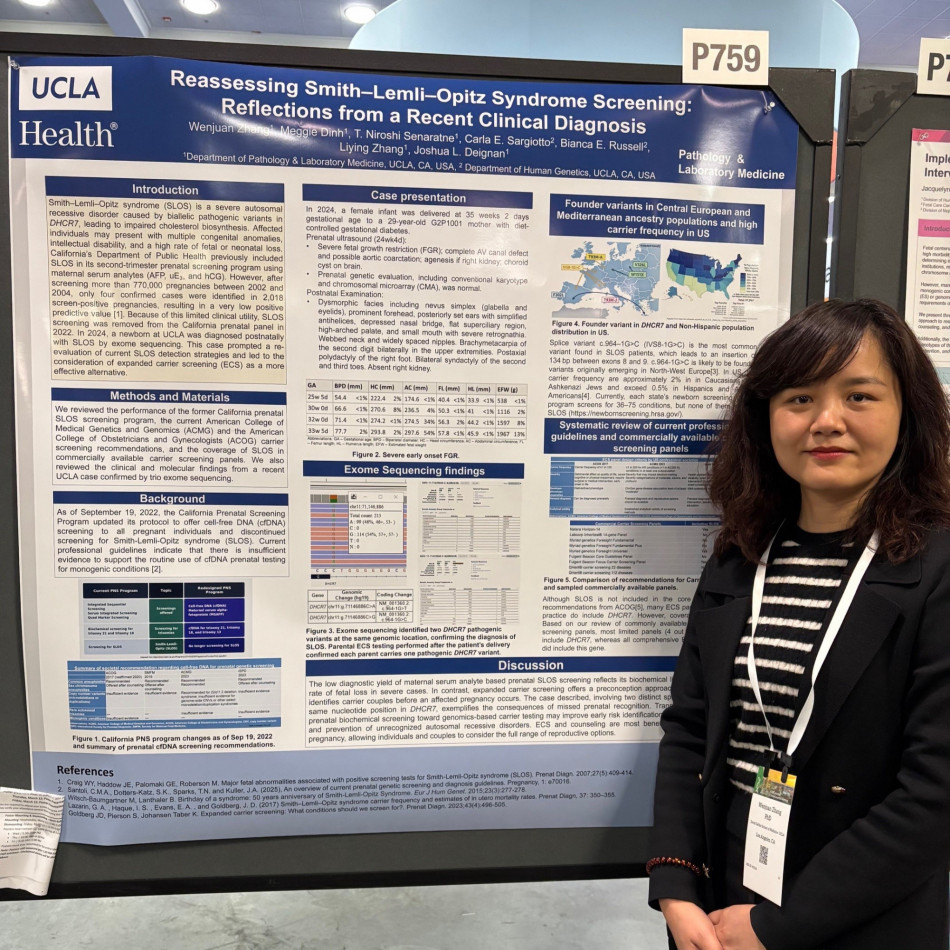
- Reassessing Smith–Lemli–Opitz Syndrome Screening: Reflections from a Recent Clinical Diagnosis
-
Wenjuan Zhang, PhD, MS, Meggie Dinh, MS, T. Niroshi Senaratne, PhD, FACMG, Carla E. Sargiotto, MD, Bianca E. Russell, MD, Liying Zhang, MD, PhD, Joshua L. Deignan, Ph
|
Dr. Wenjuan Zhang with her poster "Reassessing Smith–Lemli–Opitz Syndrome Screening: Reflections from a Recent Clinical Diagnosis." Department collaborators include Meggie Dinh, Dr. Niroshi Senaratne, Dr. Lily Zhang, and Dr. Josh Deignan.
|
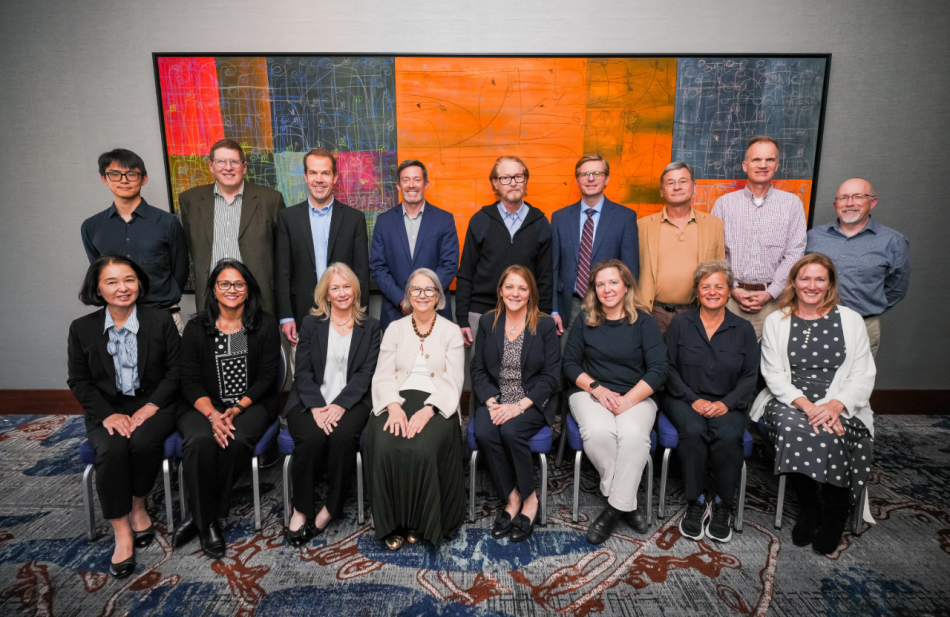
Dr. Josh Deignan (back row, third from the left), serves on the ACMG Board of Directors as the Director of Clinical Molecular Genetics. |
|
|
Grants, Publications, & National Recognition |
Congratulations to Nurali and Tim on the recent publication of their work studying the detailed in vitro metabolism of the exercise mimetic SLU-PP-332. Their work at the Olympic Analytical Lab provides the foundation for antidoping laboratories around the world to begin monitoring for potential abuse of this substance to gain an unfair competitive advantage. Nurali and Tim conducted in vitro studies to generate twenty-two different phase I and II metabolites of this synthetic ERRα/β/γ agonist and utilizing high-resolution mass spectral information gathered from analysis of these metabolites were able to propose tentative structures for each of them. Sharing this information with colleagues around the world is a crucial step in developing effective procedures for detecting potential abuse of substances like SLU-PP-332 in elite competitive sport.
Read more > |
(L to R): Nurali and Tim in the Olympic Analytical Lab |
|
|
Congratulations to Dr. Cullen Lilley (PGY-3) and collaborators on their article "The role of web-based platforms as a novel approach to addressing access to pathology education: The PathElective.com experience" as published in Academic Pathology.
Read More > |
| |
|
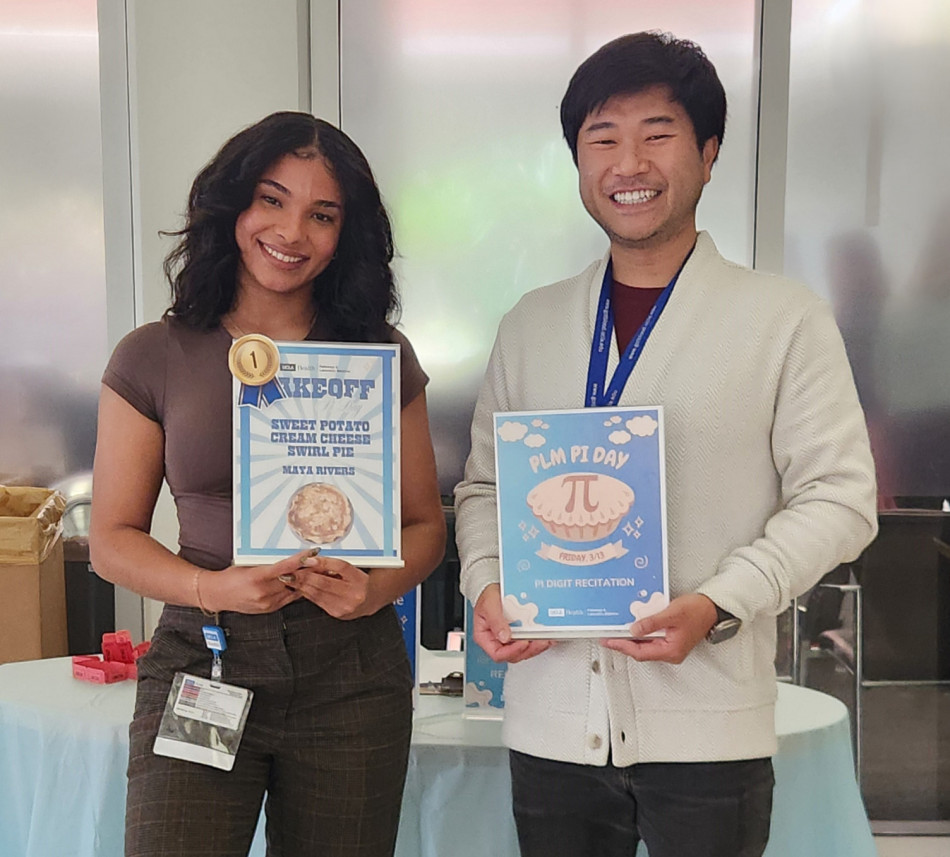
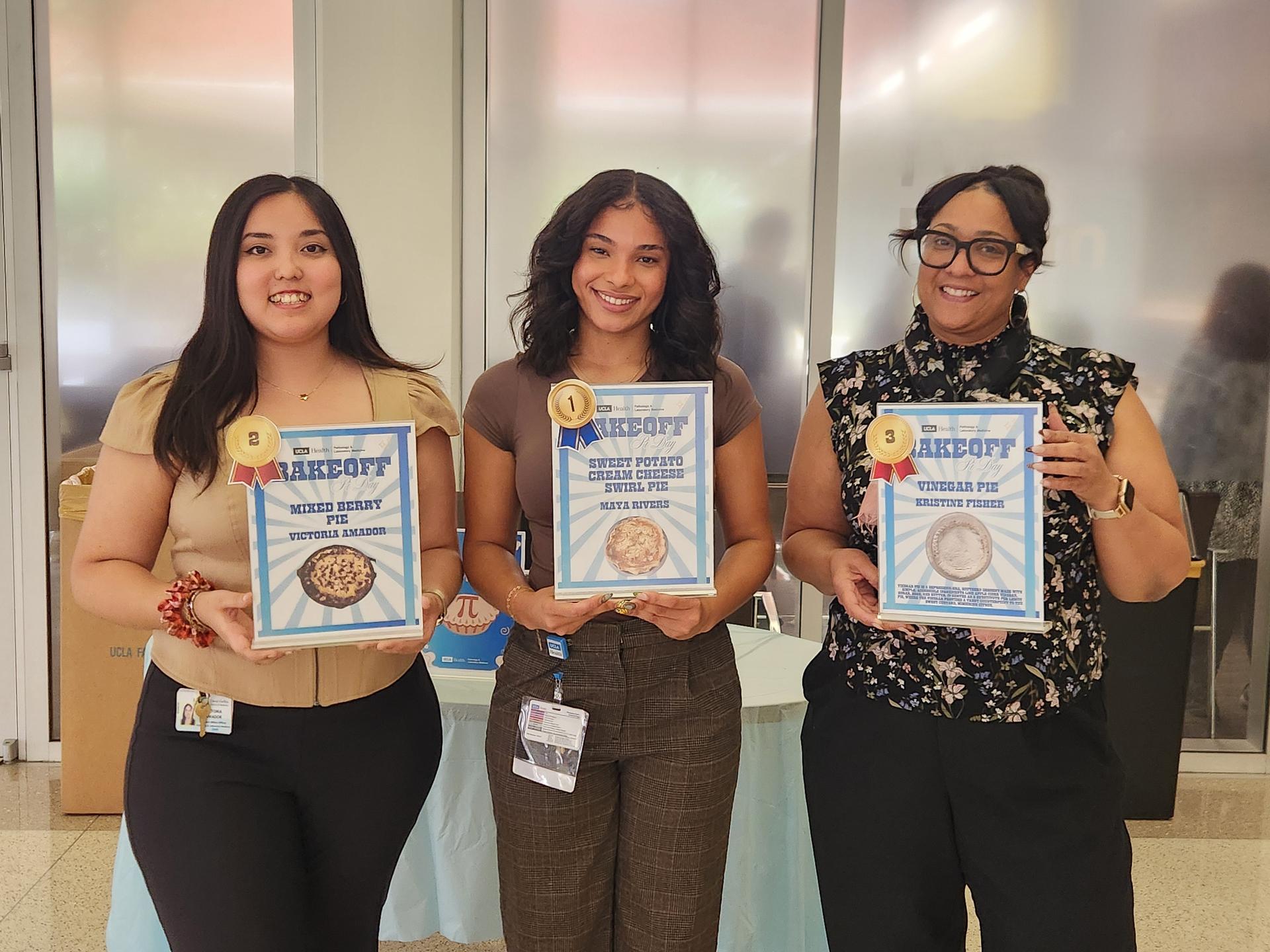
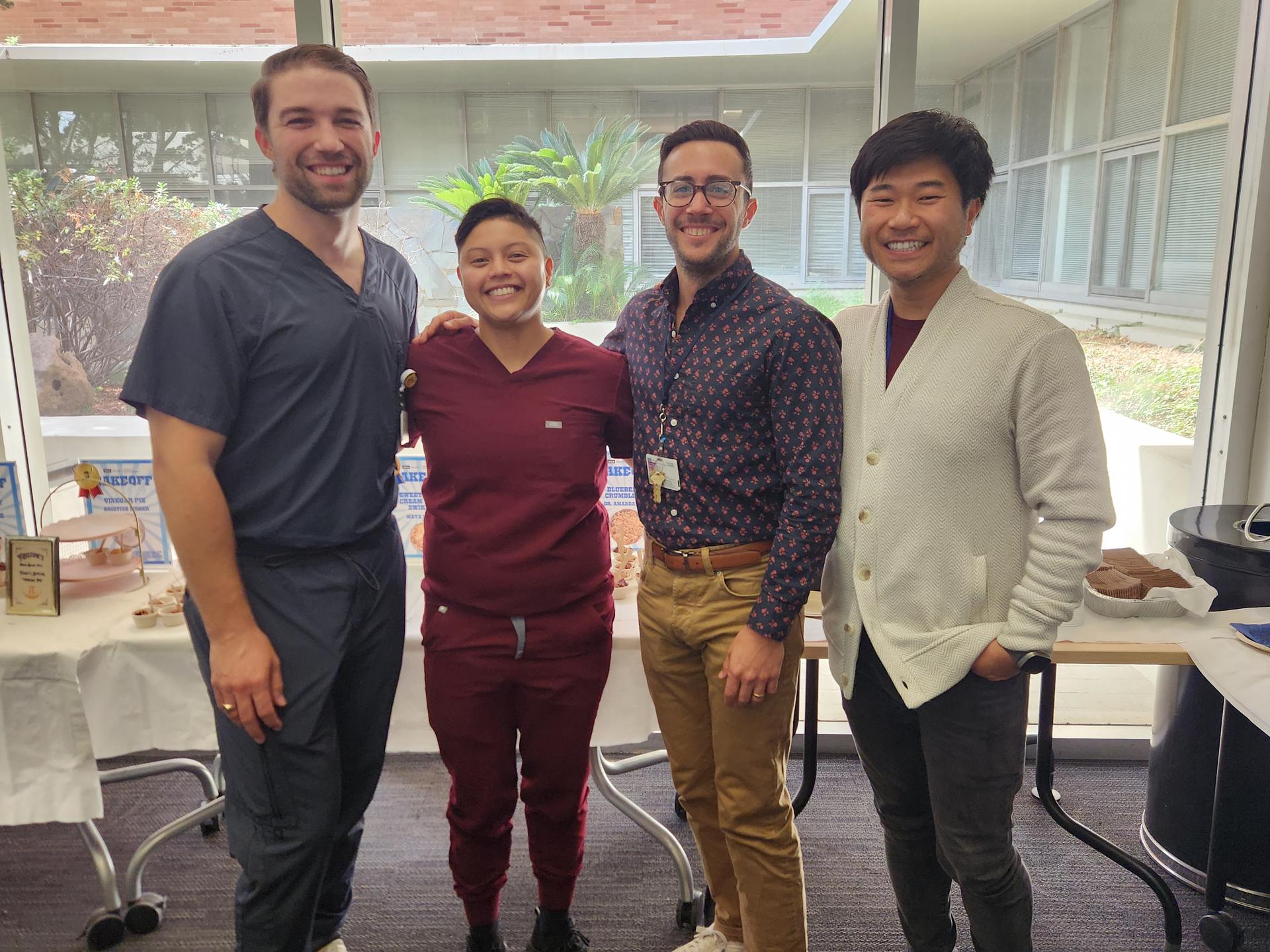
In celebration of the mathematical constant π (3.14), we hosted our inaugural Pi Day on March 13! Activities included a Pie Bakeoff Contest, a Pi Digit Recitation Contest, and free pie! Congratulations to our winners! Dr. Zhen Mei recited 204 digits of Pi and Maya, who won first prize in the Pie Bakeoff Contest with her Sweet Potato Cream Cheese Swirl Pie!
Thank you to our Pi Day Committee (Anastasia, Djoko, Heidi, Kelli, Mary Alice, and Maya) and Pathology Facilities (Amari, Chris, Emily, Jessica, Joe, Ricky, Teresa) for creating a memorable event! |
(L to R): Maya, winner of the Pie Bakeoff and Dr. Zhen Mei, winner of the Pi Recitation Contest |
|
|
(L to R): Pie Bakeoff winners - Victoria (2nd place), Maya (1st place), and Kristine (3rd place) |
| (L to R): Dr. Cullen Lilley, Nichole, Dr. Nick Stanzione, and Dr. Zhen Mei |
|
|
LA Marathon – Sunday, March 8, 2026 |
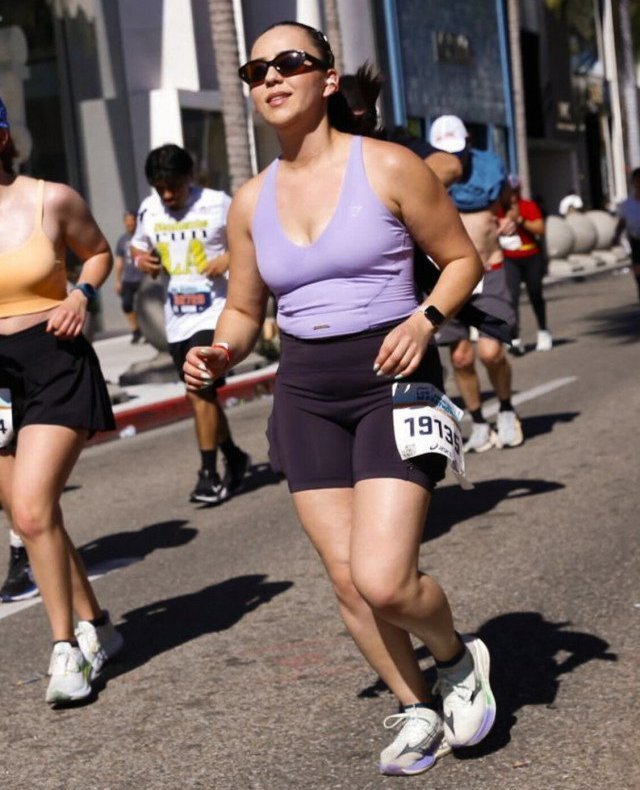
The LA Marathon took place on Sunday, March 8, 2026. With record high temperatures, participants took "a spectator and landmark lined 26.2 mile tour of LA."
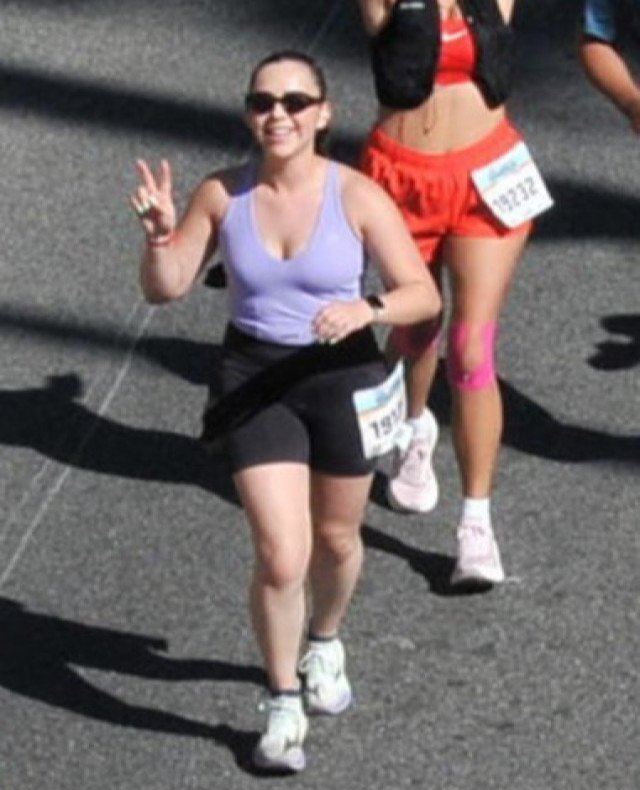
Congratulations to Kim, Staff Research Associate II, on completing the race and her first marathon! She trained for 18 weeks leading up to the race. She states miles 20-26.2 were the most difficult as she was running in direct sunlight. Her favorite moment was seeing her friends and family along the course. They cheered her on with signs, ran alongside her, and even sent voice memos for her to play at every mile. She took the marathon as a challenge to push herself both physically and mentally. She is very proud of her accomplishment – as are we!
|
|
|
Kim running in the LA Marathon | |
|
Our Pathology Art Collective showcases the creativity of the members of our Department. We are now accepting submissions to be displayed and featured here, which may include paintings, drawings, photography, poems, etc. If your creativity involves home improvement projects, cooking, gardening, sewing, theater, musical performance etc., please feel free to submit photos. Please send your submissions to Anastasia Gustafson (agustafson@mednet.ucla.edu).
|
|
|
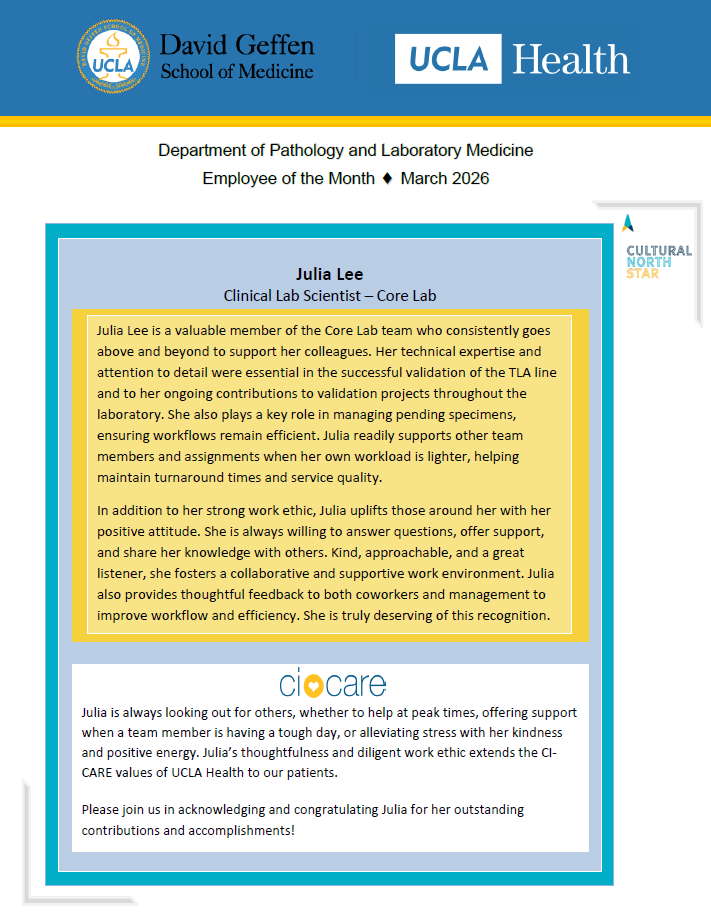
Congratulations to our March 2026 Employee of the Month! |
|
|
Friday, March 6, 2026
Research Seminar Series
Matthew Greenblatt, MD, PhD
Rohr Family Research Scholar
Associate Professor, Pathology and Laboratory Medicine
Weill Cornell Medical College
"A New Stem Cell Basis for Skeletal Pathology" Friday, March 13, 2026
Inclusive Excellence Series
Richard Haspel, MD, PhD
Professor of Pathology
Beth Israel Deaconess Medical Center
"Looking Back to Move Forward: Race and Transfusion Medicine"
Watch & Listen > |
|
|
Friday, April 24, 2026 at 8:00 AM PT - Virtual
Clinical Seminar Series - Topic: Bone & Soft Tissue
Josephine Dermawan, MD, PhD
Staff Pathologist
Bone and Soft Tissue Pathology & Molecular Pathology
Department of Pathology and Laboratory Medicine
Cleveland Clinic
"Methylation Profiling in Sarcomas and Sarcomatoid Mimics: Do They Help Classify the Unclassifiable?" Full Schedule > |
|
|
|